
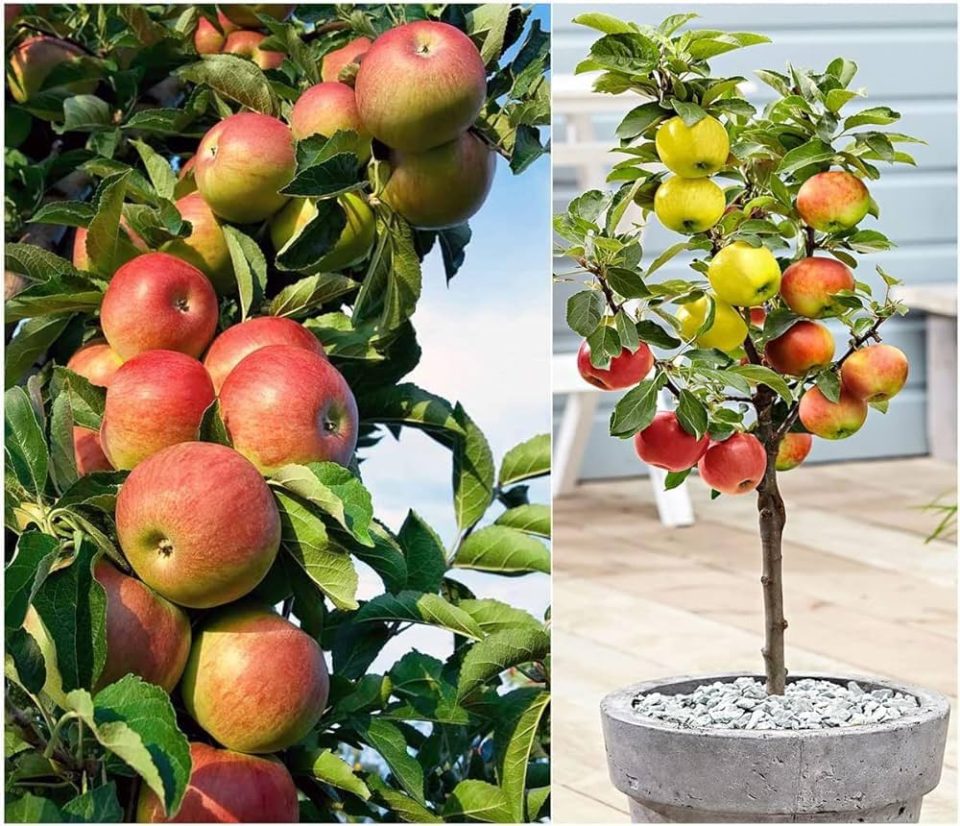
Cider production in Britain has seen a remarkable resurgence, with home growers and small-scale orchards contributing to a vibrant craft cider scene. For those looking to cultivate their own cider apples, selecting the right varieties is critical to achieving a balanced, flavourful cider. This article explores five cider apple varieties worth planting now, chosen for their suitability to British climates, disease resistance, and ability to produce high-quality cider. These varieties offer a blend of tradition and practicality, ensuring growers can craft ciders with depth and character. A nursery specialist from CRJ FruitTrees provides insight into starting your cider orchard: “Choosing cider apple varieties suited to your local climate and soil is essential for success. Varieties like Dabinett and Kingston Black are excellent for beginners due to their reliable fruit production and robust flavours. For those looking to buy fruit trees, our range includes these and other heritage varieties, ensuring you have the right stock for your cider-making goals.”
Cider Apples Context
Cider apples differ significantly from dessert or cooking apples, primarily due to their chemical composition. They are cultivated specifically for cider production, prioritising traits like high tannin, acidity, and sugar content over the crisp sweetness of eating apples. Tannins contribute astringency and body, acidity provides crispness, and sugars drive fermentation for hard cider. The Long Ashton Research Station in the UK categorises cider apples into four types: sweets (low acid, low tannin), sharps (high acid, low tannin), bittersweets (low acid, high tannin), and bittersharps (high acid, high tannin). Most ciders are crafted from a blend of these categories to achieve a balanced flavour profile, though some varieties, known as single-varietal ciders, can produce excellent results on their own.
Selecting the right cider apple trees involves considering your local growing conditions, including climate, soil type, and available space. Most cider apples thrive in the UK’s temperate climate, particularly in hardiness zones equivalent to USDA 4-7, which covers much of Britain. Well-drained, slightly acidic soil with a pH of 5.0 to 6.8 is ideal. For home growers, dwarf or semi-dwarf rootstocks are often recommended, as they produce smaller trees that are easier to manage and harvest, typically yielding fruit within two to three years.
Dabinett: The Bittersweet Workhorse
Dabinett is a standout bittersweet variety, prized for its reliability and versatility in cider production. Originating in Somerset, this late-season apple produces small, red-flushed fruit with high tannin and sugar content but low acidity. Its juice yields a full-bodied cider with a rich, almost perfumed aroma, making it a cornerstone of many West Country blends. Dabinett is particularly forgiving for home growers, as it is self-fertile, meaning it does not require another variety for pollination, though cross-pollination can enhance yields. Its compact growth habit suits smaller orchards, and it shows good resistance to common apple diseases like scab and powdery mildew.
Planting Dabinett requires a sunny site with well-drained soil. Bare-root trees, available from nurseries, should be planted in late autumn or early spring to establish strong roots. Regular pruning in late winter encourages a sturdy framework and maximises fruit production. Dabinett’s late harvest, typically in October, allows sugars to develop fully, enhancing its suitability for hard cider. For those looking to buy fruit trees, Dabinett is an excellent choice for both novice and experienced growers due to its consistent performance and robust flavour profile.
Kingston Black: The Single-Varietal Star
Kingston Black, a bittersharp variety from Somerset, is renowned for its ability to produce exceptional single-varietal ciders. Its small, dark red apples are high in both acidity and tannins, delivering a complex cider with smoky, velvety notes. While not self-fertile, Kingston Black pairs well with other mid-season bloomers like Dabinett or Yarlington Mill for pollination. Its moderate vigour makes it suitable for dwarf or semi-dwarf rootstocks, ideal for home orchards with limited space. However, it is slightly more susceptible to apple scab, so regular monitoring and organic pest management are advisable.
This variety’s harvest occurs in mid-season, around September to early October, and its fruit stores well for a few weeks, allowing flexibility in pressing schedules. Kingston Black’s intense flavour carries through fermentation, making it a favourite among artisanal cidermakers. Growers should ensure adequate airflow around trees to prevent fungal issues, particularly in Britain’s damp climate. For those planning to buy fruit trees, Kingston Black offers a rewarding challenge for those willing to invest in careful orchard management.
Harrison: The American Heirloom
Though less common in the UK, Harrison is an American heirloom variety gaining traction among British cidermakers for its rich, viscous juice. This bittersweet apple, originating in 18th-century New Jersey, produces a thick, spicy cider with notes of ginger and cooked apple. Its dense, yellow flesh yields a high volume of juice, making it efficient for pressing. Harrison is particularly valued for its ability to produce a balanced single-varietal cider, though it blends well with sharper varieties like Granny Smith for added complexity.
Harrison thrives in well-drained soils and requires a pollinator, such as Roxbury Russet or Winesap, to set fruit. Its vigorous growth suits standard or semi-dwarf rootstocks, and it shows good resistance to scab and fire blight. Harvested in late September to October, Harrison apples benefit from a short storage period to enhance sugar content. For British growers looking to buy fruit trees with a unique heritage, Harrison offers a transatlantic twist to traditional cider orchards, bringing bold flavours to the mix.
Roxbury Russet: The Versatile All-Rounder
Roxbury Russet, believed to be one of North America’s oldest named apple varieties, is a sharp-leaning variety with a sweet-tart profile. Its coarse, russeted skin and high sugar content (around 13% fermentable sugars) make it ideal for both sweet and hard cider, as well as desserts and drying. In the UK, Roxbury Russet is valued for its disease resistance, particularly to scab and powdery mildew, and its adaptability to various soil types. Its mid-season harvest, typically in September, aligns well with other cider varieties, facilitating blended ciders.
This variety’s moderate growth makes it suitable for semi-dwarf rootstocks, and it requires a pollinator like Dabinett or Kingston Black. Roxbury Russet’s fruit stores well, retaining flavour for months, which is a boon for home cidermakers with staggered pressing schedules. Pruning should focus on maintaining an open canopy to ensure light penetration, enhancing fruit quality. For those seeking to buy fruit trees that offer versatility beyond cider, Roxbury Russet is a practical and resilient choice.
Yarlington Mill: The West Country Classic
Yarlington Mill, another Somerset native, is a bittersweet variety celebrated for its high tannin content and moderate sugar levels. Its small, red-streaked apples produce a dry, aromatic cider that forms the backbone of many traditional West Country blends. Like Dabinett, it is relatively easy to grow, with good disease resistance and a compact growth habit suitable for smaller orchards. Yarlington Mill is not self-fertile, so planting it alongside a mid-season bloomer like Kingston Black ensures successful pollination.
Harvested in late October, Yarlington Mill benefits from a brief storage period to fully develop its sugars, enhancing fermentation outcomes. Its trees require minimal maintenance beyond annual pruning and occasional pest monitoring. For British growers looking to buy fruit trees rooted in cider-making heritage, Yarlington Mill is a reliable choice, delivering consistent quality and a taste of Somerset’s cider tradition.
Planting and Caring for Your Cider Orchard
Successful cider apple cultivation begins with proper site selection and preparation. Choose a location with full sun exposure (six to eight hours daily) and well-drained soil to prevent root rot. Testing soil pH and amending it with organic matter, such as compost, ensures optimal conditions. Bare-root trees should be planted in late autumn or early spring, with the graft union positioned above the soil line. For dwarf or semi-dwarf trees, space them 5 to 10 feet apart in rows 15 feet apart, ideally supported by a trellis system to stabilise their weaker trunks.
Watering is crucial, particularly in the first year, with young trees needing about one inch of water weekly. Overwatering should be avoided, as it can dilute fruit flavour. Fertilisation should be minimal, guided by soil tests, to avoid excessive vegetative growth at the expense of fruit. Pruning, conducted in late winter, shapes the tree into a central leader or modified central leader system, promoting horizontal branching for better fruit production. Summer pruning can further refine tree structure and improve fruit colour.
Pest and disease management is critical in Britain’s humid climate. Integrated pest management, including resistant varieties and organic treatments like neem oil, helps control issues like apple scab and codling moths. Regular inspection ensures early detection of problems, preserving fruit quality.
Harvesting and Pressing Cider Apples
Timing the harvest is key to maximising cider quality. Unlike dessert apples, cider apples are often left on the tree until fully ripe, sometimes until they begin to drop naturally, indicating peak sugar content. This typically occurs between August and October, depending on the variety. For example, Kingston Black ripens in mid-season, while Dabinett and Yarlington Mill are later. Testing ripeness involves checking seed colour (dark brown indicates maturity) and tasting for flavour development. Fallen fruit can be used if collected promptly to avoid spoilage.
Post-harvest, apples can be stored for a few weeks in a cool, dark place to allow starches to convert to sugars, enhancing fermentation. Before pressing, sort apples to remove any bruised or diseased fruit, as these can impart off-flavours. Small-scale presses, available from many garden suppliers, are suitable for home growers. Blending different varieties during pressing achieves a balanced cider, combining the tannins, acidity, and sugars of apples like Dabinett, Kingston Black, and Roxbury Russet.
The Rewards of Growing Cider Apples
Cultivating cider apples offers more than just the promise of homemade cider; it connects growers to Britain’s rich horticultural heritage. The five varieties highlighted—Dabinett, Kingston Black, Harrison, Roxbury Russet, and Yarlington Mill—are well-suited to British conditions and provide a spectrum of flavours for crafting unique ciders. Their disease resistance and adaptability make them accessible to both novice and seasoned growers. By planting these trees, you join a tradition that spans centuries, from the orchards of Somerset to the colonial farms of early America.
For those ready to start their cider orchard, sourcing quality trees is the first step. Reputable nurseries offer a range of cider apple varieties on suitable rootstocks, ensuring healthy establishment and productive yields. Whether you’re aiming for a single tree or a small orchard, these varieties promise rewarding results, both in the glass and in the satisfaction of nurturing your own fruit.
Conclusion
The resurgence of cider in Britain presents an exciting opportunity for home growers to contribute to this craft. By selecting varieties like Dabinett, Kingston Black, Harrison, Roxbury Russet, and Yarlington Mill, you can create ciders that rival commercial offerings while enjoying the process of cultivation. These apples, with their distinct chemical profiles and regional adaptability, are ideal for British orchards. With careful planning, from site selection to harvest, and a commitment to learning through tasting and experimentation, your cider orchard can thrive, offering years of fruitful harvests and flavourful ciders.