
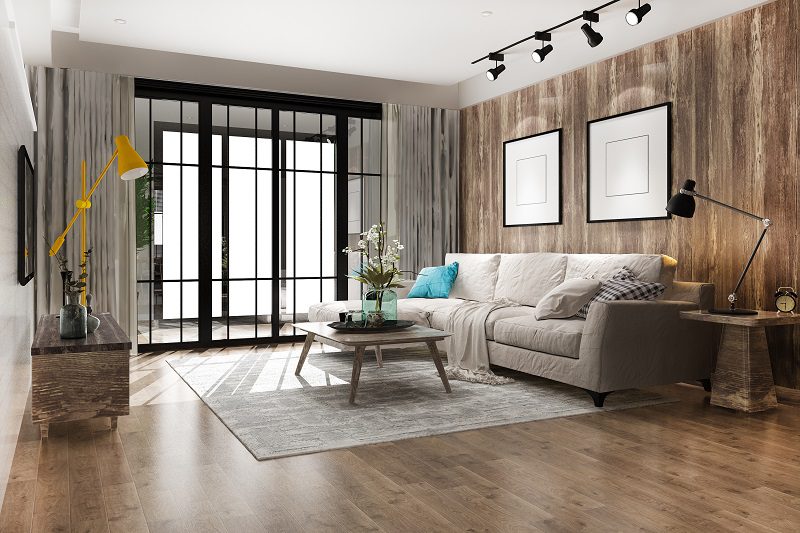
Flooring is a crucial element in any home or commercial space. It not only serves as the foundation of a room but also plays a pivotal role in defining the overall aesthetic, feel, and functionality of the space. The right flooring can elevate a room’s design, improve its performance, and offer comfort and durability. With an ever-expanding variety of flooring options available, choosing the perfect material can seem like a daunting task. In this article, we will explore the various types of flooring, the factors to consider when selecting a floor for your space, and the latest trends in flooring design.
Understanding the Different Types of Flooring
Hardwood Flooring: Timeless Elegance and Durability
Hardwood flooring is one of the most sought-after materials due to its timeless appeal, versatility, and durability. Available in a wide range of species, such as oak, maple, cherry, and walnut, hardwood offers a natural aesthetic that is warm and inviting. It can be stained or finished in a variety of ways, allowing for customization to match any interior design style.
Pros of Hardwood Flooring:
- Durability: Hardwood floors can last for decades if maintained properly. They are resistant to wear and tear, making them suitable for high-traffic areas.
- Aesthetic Appeal: The natural grain and texture of hardwood give rooms an elegant, sophisticated look.
- Easy Maintenance: With regular cleaning and occasional refinishing, hardwood floors maintain their beauty over time.
Cons of Hardwood Flooring:
- Cost: Hardwood flooring can be expensive, especially for premium wood species.
- Moisture Sensitivity: Hardwood is prone to warping or expansion when exposed to excessive moisture, so it’s not ideal for areas like bathrooms or basements.
Laminate Flooring: Affordable and Versatile
Laminate flooring is a popular alternative to hardwood due to its affordability and ability to mimic the look of natural wood, stone, or tile. Made of several layers of composite wood, laminate floors are topped with a high-resolution photographic layer that replicates the appearance of various materials.
Pros of Laminate Flooring:
- Cost-Effective: Laminate is much cheaper than hardwood while still offering a similar look.
- Durability: It’s resistant to scratching and fading, making it a good choice for homes with pets or children.
- Low Maintenance: Laminate is easy to clean and doesn’t require sealing or refinishing.
Cons of Laminate Flooring:
- Lack of Realistic Texture: While laminate looks similar to hardwood, it doesn’t offer the same authentic texture and warmth.
- Moisture Damage: Laminate can swell or warp when exposed to water over time, so it’s not suitable for high-moisture areas.
Tile Flooring: Durable, Stylish, and Water-Resistant
Tile flooring is a highly versatile option available in various materials, such as ceramic, porcelain, marble, and travertine. It is ideal for spaces like kitchens, bathrooms, and entryways due to its moisture resistance and easy-to-clean surface. Tiles can be customized in terms of size, color, and pattern, allowing for unique design opportunities.
Pros of Tile Flooring:
- Durability: Tiles are highly durable and can last for many years, even in high-traffic areas.
- Water-Resistant: Perfect for bathrooms, kitchens, and basements, tile doesn’t absorb moisture, making it resistant to mold and mildew.
- Design Flexibility: Available in countless styles, shapes, and colors, tiles can create a custom look that suits any room.
Cons of Tile Flooring:
- Cold and Hard Underfoot: Tiles can be uncomfortable to walk on without underfloor heating or rugs, especially in colder climates.
- Installation Complexity: Tile installation can be labor-intensive and requires expertise to ensure proper alignment and grouting.
Vinyl Flooring: Affordable and Low Maintenance
Vinyl flooring has gained popularity in recent years due to its affordability, ease of installation, and water resistance. It’s available in several styles, including sheet vinyl, vinyl planks, and vinyl tiles, making it suitable for a wide range of applications. Vinyl can mimic the look of wood, stone, or tile, providing versatility without the high price tag.
Pros of Vinyl Flooring:
- Cost-Effective: Vinyl flooring is one of the most affordable options available, making it ideal for budget-conscious homeowners.
- Waterproof: Vinyl is highly resistant to water damage, making it suitable for wet areas such as bathrooms, kitchens, and basements.
- Easy Installation: Many vinyl options come with peel-and-stick or click-lock installation methods, which can be done without professional help.
Cons of Vinyl Flooring:
- Durability: While durable, vinyl is more prone to scratches and dents compared to hardwood or tile.
- Aesthetic Limitations: Though vinyl can mimic other materials, it doesn’t offer the same authentic texture or appearance as natural wood or stone.
Carpet Flooring: Softness and Comfort Underfoot
Carpet is one of the most popular flooring options for bedrooms, living rooms, and offices, offering a soft, comfortable surface to walk on. Available in various fibers, colors, and textures, carpets can be customized to suit the style of any room.
Pros of Carpet Flooring:
- Comfort: Carpet provides a soft, warm surface, making it ideal for areas where comfort is a priority.
- Sound Absorption: Carpet helps to reduce noise in a room, making it ideal for multi-story homes or apartments.
- Variety: Carpets come in a wide range of colors, patterns, and textures, making it easy to find the perfect match for your decor.
Cons of Carpet Flooring:
- Maintenance: Carpets require regular vacuuming and occasional deep cleaning to prevent dirt and stains from building up.
- Allergen Accumulation: Carpets can trap dust, dirt, and allergens, which can be problematic for those with respiratory issues.
Factors to Consider When Choosing Flooring
Durability and Maintenance
One of the most important factors to consider when choosing flooring is how well it will withstand wear and tear. High-traffic areas require materials that can handle heavy foot traffic without showing signs of damage. Hardwood, tile, and vinyl are generally more durable, while carpet and laminate may show signs of wear more quickly.
Additionally, consider the level of maintenance each flooring type requires. For example, hardwood may need periodic refinishing, while carpet requires regular cleaning and vacuuming.
Moisture Resistance
If you’re installing flooring in areas prone to moisture, such as bathrooms, kitchens, or basements, you’ll need a material that can withstand water exposure. Tile, vinyl, and laminate are excellent choices for high-moisture areas, while hardwood and carpet are less suitable due to their susceptibility to moisture damage.
Budget and Cost
Your budget will significantly influence the type of flooring you choose. Hardwood and tile can be more expensive due to the cost of materials and installation, while options like vinyl and laminate offer budget-friendly alternatives. It’s also essential to factor in the long-term costs of maintenance and potential repairs when making your decision.
Style and Aesthetic
The style of your flooring should complement the overall design of your home. Hardwood offers a traditional, elegant look, while tile can give a sleek, modern feel. Carpet is perfect for creating a cozy, warm ambiance, while vinyl can mimic the appearance of higher-end materials at a fraction of the cost.
Flooring Trends in 2025
Sustainability and Eco-Friendly Materials
Sustainability continues to be a significant trend in flooring design. Homeowners are increasingly opting for eco-friendly materials like bamboo, cork, and recycled wood. These materials not only reduce environmental impact but also offer unique textures and finishes.
Darker, Richer Tones
In 2025, darker, richer flooring tones are making a comeback. Deep browns, charcoal greys, and black hues are becoming popular choices for hardwood, laminate, and vinyl. These colors add sophistication and elegance to any room, offering a contemporary twist on classic designs.
Natural and Rustic Finishes
There is a growing trend toward natural, rustic finishes, particularly in wood flooring. Homeowners are choosing floors that showcase the natural beauty of wood, including knots, grains, and imperfections. This trend highlights authenticity and craftsmanship in home design.
Frequently Asked Questions
What is the most durable type of flooring for high-traffic areas?
Hardwood, tile, and vinyl are the most durable flooring types for high-traffic areas. Hardwood and tile are especially resistant to wear and tear, while vinyl is a budget-friendly option that is also highly durable.
Is laminate flooring suitable for kitchens and bathrooms?
Laminate flooring is water-resistant but not entirely waterproof, making it a viable option for kitchens. However, it is not recommended for bathrooms due to the high moisture content, which can cause swelling and damage.
How do I clean and maintain my hardwood floors?
To maintain hardwood floors, regularly sweep or vacuum to remove dirt and debris. Use a damp mop and a mild wood cleaner to clean the surface. Occasionally, hardwood floors may need refinishing to restore their shine and protect them from wear.
Can I install tile flooring myself?
While it is possible to install tile flooring yourself, it requires precision and the right tools. If you’re not experienced with tile installation, it’s recommended to hire a professional to ensure the job is done correctly.
What are the best flooring options for a bathroom?
Tile, vinyl, and water-resistant laminate are the best options for bathrooms due to their moisture resistance. Ceramic and porcelain tiles, in particular, are ideal for wet areas and offer durability and easy maintenance.
How can I make my carpet last longer?
To extend the life of your carpet, vacuum it regularly to remove dirt and debris. Professional cleaning every 12 to 18 months can also help remove deep-set stains and maintain its appearance. Consider using rugs or mats in high-traffic areas to protect the carpet from wear.