
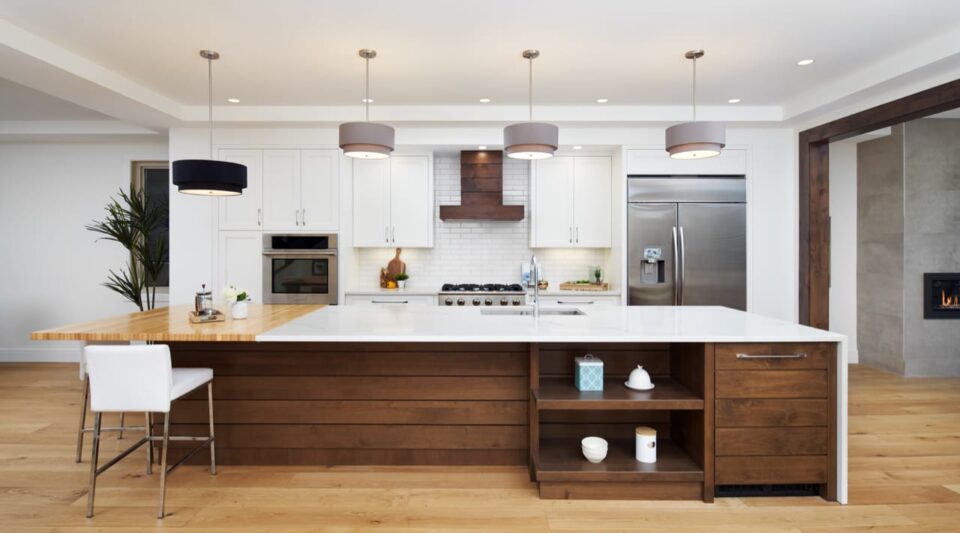
The kitchen is far more than just a space for preparing meals—it’s the heart of the home, where family members gather, interact, and share memories. With the rapid evolution of technology, design trends, and sustainable living, kitchens have become multifunctional spaces that need to be both aesthetically pleasing and highly efficient. In this comprehensive guide, we will explore various aspects of the kitchen, including its essential design principles, the role of modern appliances, trends shaping the industry, and tips for creating an organized, functional space.
The Evolution of the Kitchen: A Space for Living
Historically, kitchens were separated from living spaces due to the heat, smoke, and mess associated with cooking. However, the 20th century marked a significant transformation, as kitchens evolved into open, connected spaces integrated into the heart of the home. The modern kitchen has become a place not only for meal preparation but also for social interaction, relaxation, and even remote work. With the increasing popularity of open-concept floor plans, the kitchen has become the focal point of the home.
Key Components of a Modern Kitchen
Designing the perfect kitchen requires a balance of functionality, aesthetics, and the latest technology. Below are the core elements that contribute to a modern, efficient kitchen.
1. Kitchen Layout
A kitchen’s layout is the foundation of its functionality. It defines how space is used and how efficiently a cook can move between various tasks. There are several layout options, each serving a different purpose:
- Galley Kitchen: This layout features two parallel countertops with a walkway in between, maximizing efficiency in smaller spaces. Ideal for people who prefer to cook in a confined, straightforward space.
- L-Shaped Kitchen: A popular choice for open-concept spaces, this layout utilizes two adjacent walls, offering ample counter space and promoting a free-flowing, accessible design.
- U-Shaped Kitchen: With counters on three sides, this layout is perfect for larger kitchens, allowing for multiple cooking areas while maintaining a central work zone.
- Island Kitchen: Featuring a central island, this layout offers additional counter space and storage while allowing for a social space in the kitchen. The island is versatile, often functioning as both a preparation area and a casual dining spot.
2. Counter Space and Storage
The kitchen’s counter space is crucial for meal preparation and overall functionality. A spacious counter allows for multiple cooking tasks to be done at once, while sufficient storage ensures that everything has its place. Here are some key storage options to consider:
- Cabinets: Traditional upper and lower cabinets are standard in most kitchens. They provide storage for everything from pots and pans to spices and utensils.
- Pantries: Walk-in or pull-out pantries help keep non-perishable food organized and easily accessible, reducing clutter in the main kitchen area.
- Drawer Systems: Drawers can be equipped with dividers or organizers to store utensils, cutlery, and smaller kitchen gadgets in a tidy manner.
- Open Shelving: Open shelves have gained popularity for their aesthetic appeal, making items easily accessible. However, they require regular cleaning to maintain a neat appearance.
3. Smart Appliances and Technology
The role of technology in the kitchen has expanded dramatically in recent years. Smart appliances and innovative cooking tools enhance convenience, save energy, and streamline meal preparation. Some of the most popular kitchen technologies include:
- Smart Refrigerators: Equipped with Wi-Fi, smart refrigerators allow users to track their groceries, manage food inventory, and even view recipes directly from the fridge door.
- Induction Cooktops: Offering faster and more energy-efficient cooking, induction cooktops use magnetic fields to directly heat cookware. They also provide a safer cooking environment by reducing the risk of burns.
- Dishwashers: Modern dishwashers have evolved to be quieter, more energy-efficient, and offer specialized wash cycles for various dish types, such as pots, delicate glassware, and large loads.
- Smart Ovens and Ranges: Many smart ovens now come with Wi-Fi capabilities, allowing users to preheat, set timers, and adjust cooking settings remotely via a smartphone.
4. Lighting
Good lighting is essential in a kitchen, not only for safety but also to create a pleasant atmosphere. Kitchen lighting can be broken down into three main types:
- Ambient Lighting: General lighting that illuminates the entire kitchen space. Recessed ceiling lights or pendant lights are often used for this purpose.
- Task Lighting: Focused lighting designed for specific work areas like the stove, sink, or countertops. Under-cabinet lighting is a common choice for this purpose, offering clear visibility for cooking tasks.
- Accent Lighting: Used to highlight particular design features or create a mood, accent lighting can be placed under cabinets, above islands, or around the perimeter of the room to provide a stylish glow.
5. Sink and Faucet
The sink is arguably one of the most frequently used components in the kitchen, and the right choice of sink and faucet can make a significant difference in functionality. Popular options include:
- Undermount Sinks: These sinks are mounted beneath the countertop for a seamless look and easy cleaning, making them ideal for high-end kitchen designs.
- Farmhouse Sinks: These large, deep sinks are perfect for washing large pots, pans, and dishes, offering both style and functionality.
- Touchless Faucets: Equipped with motion sensors, touchless faucets are more hygienic and convenient, particularly when hands are covered in food or grease.
6. Flooring and Materials
The materials chosen for your kitchen floor and countertops play a critical role in both the aesthetics and functionality of the space. Some popular kitchen flooring options include:
- Hardwood: Provides warmth and a classic look, though it requires regular maintenance to keep it looking pristine.
- Tile: Offers durability, ease of cleaning, and a wide range of design options, making it one of the most common flooring choices for kitchens.
- Vinyl: An affordable and versatile option, vinyl flooring can mimic the appearance of wood, stone, or tile and is easy to maintain.
For countertops, options like granite, quartz, and marble are highly regarded for their durability, aesthetic appeal, and ease of cleaning.
Modern Kitchen Design Trends
Kitchens are constantly evolving, and staying updated with the latest trends can help homeowners create functional and stylish spaces. Some of the top trends in modern kitchen design include:
1. Minimalist Designs
Minimalism is gaining traction in the world of kitchen design. With clean lines, neutral color schemes, and sleek finishes, minimalist kitchens focus on simplicity and function. High-quality materials, such as stone or stainless steel, are used to create a sophisticated, timeless design.
2. Sustainable Choices
As sustainability becomes a growing concern, more homeowners are turning to eco-friendly materials and appliances. For example, bamboo is being used for cabinetry, and energy-efficient appliances are reducing carbon footprints. Additionally, low-flow faucets, water-saving dishwashers, and recyclable countertops are becoming more common.
3. Bold and Vibrant Colors
While white kitchens have long been a staple in interior design, bold colors such as navy blue, forest green, and even black are making waves. These vibrant hues add character and personality to the kitchen, transforming it from a functional space to a design statement.
4. Smart Storage Solutions
To maximize space, modern kitchens are incorporating innovative storage solutions, such as pull-out pantry shelves, modular cabinets, and built-in drawer organizers. These options make it easier to store ingredients, cookware, and utensils in an orderly, efficient manner.
Organizing Your Kitchen for Maximum Efficiency
An organized kitchen improves functionality and makes cooking more enjoyable. Here are some tips for organizing your kitchen:
- Group Similar Items Together: Keep like items, such as baking supplies, pots and pans, and spices, together in easily accessible areas. This minimizes the need to search for items and helps maintain an orderly space.
- Use Drawer Dividers: Organize utensils and smaller kitchen tools by using dividers in drawers. This makes it easier to find what you need without digging through cluttered drawers.
- Utilize Vertical Storage: Don’t overlook the walls. Installing open shelves or hanging racks for pots, pans, and utensils can free up valuable cabinet space while keeping your kitchen organized and accessible.
- Clear Countertops: A clean, clutter-free countertop promotes a more functional workspace. Only keep essential items out, such as cutting boards, a knife block, or a fruit bowl, to avoid unnecessary distractions.
Maintenance Tips for a Healthy Kitchen
Maintaining a clean, hygienic kitchen is essential for health and efficiency. Here are some tips:
- Deep Clean Regularly: Clean your oven, refrigerator, and microwave thoroughly at least once a month to remove food residues and grease buildup.
- Check for Leaks: Regularly inspect faucets, pipes, and dishwashers for leaks that could lead to water damage or mold growth.
- Wipe Down Surfaces Daily: Make sure to wipe down countertops, cutting boards, and sinks daily to prevent the buildup of germs and bacteria.
- Replace Filters: Whether it’s the refrigerator water filter or the range hood filter, replacing these on a regular schedule ensures optimal functionality.
FAQ Section
1. What is the best kitchen layout for a small space?
For smaller kitchens, a galley layout is often ideal. It maximizes space by placing countertops and storage along two parallel walls, ensuring everything is within arm’s reach.
2. How do I choose the right countertop material?
When choosing a countertop material, consider durability, maintenance requirements, and aesthetics. Materials like quartz and granite are highly durable, while marble offers a more luxurious, but higher-maintenance option.
3. What are some eco-friendly options for kitchen materials?
Opt for bamboo cabinetry, recycled glass countertops, and energy-efficient appliances to reduce your kitchen’s environmental impact.
4. How often should I clean my kitchen appliances?
For optimal performance, clean your refrigerator and oven monthly, and wipe down your dishwasher and microwave regularly to prevent food buildup and bacteria.
5. Can I create a smart kitchen on a budget?
Yes, there are budget-friendly options to create a smart kitchen. Look for smart lighting, energy-efficient appliances, and Wi-Fi-connected gadgets like thermostats or coffee makers that don’t require a significant investment.