
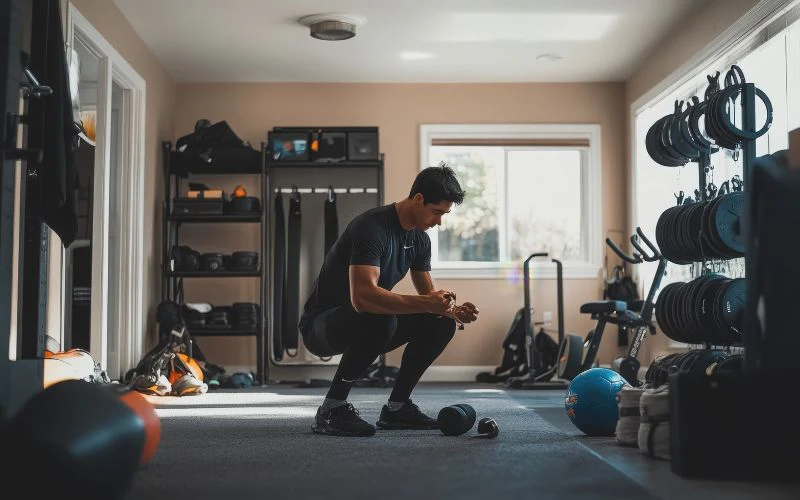
Home workouts became extremely popular over the last few years, especially among busy professionals and families in Singapore. At first, exercising at home feels convenient, flexible, and cost-effective. There is no travel time, no crowded spaces, and no fixed schedule. However, for most people, this convenience fades quickly. What starts as a motivated routine often turns into inconsistency, stalled progress, and eventual abandonment.
This is why many individuals eventually return to a fitness gym singapore environment after months of unproductive home training. The issue is not discipline or willpower. It is structure, environment, and long-term sustainability.
The Illusion of Convenience in Home Workouts
Home workouts feel efficient because they remove friction. Yet friction is not always negative. In fitness, a certain level of structure and commitment is essential for consistency.
Common convenience traps of home workouts include:
-
Constant schedule changes
-
Easy skipping of sessions
-
Shortened or rushed workouts
-
Reduced effort without accountability
Over time, these small compromises accumulate and undermine results.
Lack of Progressive Overload at Home
Progressive overload is the foundation of physical improvement. Muscles, joints, and the nervous system adapt only when they are challenged gradually and consistently.
At home, progression often fails because:
-
Equipment options are limited
-
Resistance remains unchanged for long periods
-
Exercises are repeated without advancement
-
There is no objective performance tracking
Without progression, the body adapts quickly and then stops improving, leading to frustration and plateaus.
Environmental Distractions and Their Impact on Consistency
Home environments are designed for comfort, not performance. Even well-intentioned individuals struggle to maintain focus when surrounded by daily responsibilities.
Common distractions include:
-
Family interruptions
-
Phone notifications
-
Household chores
-
Mental association of home with rest
These distractions reduce training quality and weaken habit formation.
Motivation Versus Systems
Most home workout plans rely heavily on motivation. Motivation, however, is unreliable. It fluctuates based on stress, sleep, and workload.
Gyms succeed where home workouts fail because they rely on systems:
-
Fixed training environments
-
Defined session structures
-
Physical separation from daily stress
-
Psychological commitment to showing up
Systems remove the need for constant motivation and replace it with routine.
Limited Movement Variety at Home
Human movement thrives on variety, not randomness but structured diversity. Home workouts often rely on bodyweight exercises that lack sufficient variation over time.
Limitations include:
-
Restricted movement patterns
-
Lack of compound loading options
-
Reduced joint stimulation
-
Imbalanced muscle development
Over time, this can lead to stiffness, discomfort, or overuse issues.
Accountability and Behavioural Psychology
Accountability is one of the strongest predictors of long-term fitness success. At home, accountability is entirely self-managed, which is challenging even for disciplined individuals.
In contrast, structured gym environments provide:
-
Social accountability through presence
-
Psychological commitment from leaving home
-
Clear start and end points for sessions
-
Visual cues that reinforce training behaviour
These factors dramatically improve adherence.
The Role of Equipment in Long-Term Adaptation
Equipment is not about complexity. It is about providing scalable resistance and controlled movement options.
Professional gym equipment allows:
-
Gradual load increases
-
Joint-friendly resistance options
-
Balanced training across muscle groups
-
Safer execution of compound movements
Home setups rarely offer this level of adaptability, limiting long-term progress.
Posture, Technique, and Injury Risk
Without feedback or structured guidance, home workouts often reinforce poor movement patterns. Over time, this increases injury risk and discomfort.
Common issues include:
-
Poor squat and hinge mechanics
-
Shoulder strain from repetitive movements
-
Lower back discomfort
-
Neck tension from poor posture
A structured training environment encourages better technique awareness and safer progression.
The Psychological Reset of Leaving Home to Train
Physically changing environments helps the brain transition between roles. Going to a gym creates a mental boundary between work, family life, and personal development.
Benefits of this separation include:
-
Improved focus during workouts
-
Stronger habit formation
-
Reduced emotional carryover from daily stress
-
Greater sense of purpose during training
This psychological reset is difficult to replicate at home.
Long-Term Consistency Beats Short-Term Convenience
Fitness success is not defined by perfect weeks. It is defined by consistency over years. Home workouts often work in short bursts but struggle to survive life changes, stress, or fatigue.
A gym-based approach supports long-term consistency by:
-
Providing structure during busy periods
-
Offering flexibility within a defined system
-
Supporting progression without constant planning
-
Reinforcing identity as someone who trains regularly
Consistency, not intensity, determines outcomes.
Why Structured Gym Environments Support Lifestyle Integration
Training should complement life, not compete with it. Structured gym training integrates fitness into lifestyle by creating predictable routines.
This integration leads to:
-
Better time management
-
Improved sleep patterns
-
Healthier stress coping mechanisms
-
Sustainable energy levels
Facilities such as True Fitness Singapore offer an environment where training becomes part of daily life rather than an optional activity.
Home Workouts Are Not Wrong, But They Are Limited
Home workouts are not ineffective by default. They can be useful during travel, illness, or temporary schedule disruptions. The problem arises when they are expected to deliver long-term results without adequate structure.
Their limitations include:
-
Poor scalability
-
Reduced accountability
-
Environmental distractions
-
Lack of progression support
Recognising these limitations allows individuals to make informed decisions rather than blaming themselves for stalled progress.
The Cost of Stagnation
Stagnation does not just affect physical results. It impacts confidence, motivation, and long-term health.
Prolonged stagnation can lead to:
-
Loss of interest in training
-
Declining physical capacity
-
Increased injury risk
-
Abandonment of fitness altogether
A structured gym environment reduces this risk by supporting continuous adaptation.
FAQs
Q: Are home workouts completely ineffective?
A: No. They can be useful short-term, but most people struggle to maintain progression and consistency over the long term.
Q: Why do I lose motivation faster when training at home?
A: Home environments lack external structure and accountability, making it easier to skip or shorten sessions.
Q: Can home workouts maintain fitness after gym training?
A: Yes. They work well as a temporary supplement, especially during travel or schedule disruptions.
Q: Is equipment really necessary for results?
A: Equipment allows scalable resistance and safer progression, which are essential for long-term improvement.
Q: What is the biggest advantage of gym training over home workouts?
A: Consistency. Structured environments support habits that survive busy schedules and stress.
Q: How soon do people usually return to gyms after starting home workouts?
A: Many return within a few months once progress stalls or motivation declines.
Home workouts promise freedom, but freedom without structure often leads to stagnation. When fitness is viewed as a long-term commitment rather than a short-term project, a structured gym environment provides the consistency, progression, and focus that most people need to succeed.