
Many articles present schedules for home maintenance which contain dozens of items across staggered timelines. Most homeowners blink at the schedule, feel overwhelmed, and do nothing. A maintenance schedule that works is one that a person actually uses, which means it must be realistic and based on the elements that will prevent issues in the first place.
Start With What’s Actually Important
Not all maintenance items are created equal. Some will effectively protect the house from exorbitant costs of damage or risk to safety. Others will merely keep things looking nice or functioning well. Therefore, to start a schedule, it’s important to distinguish between need-to-do items and nice-to-do items.
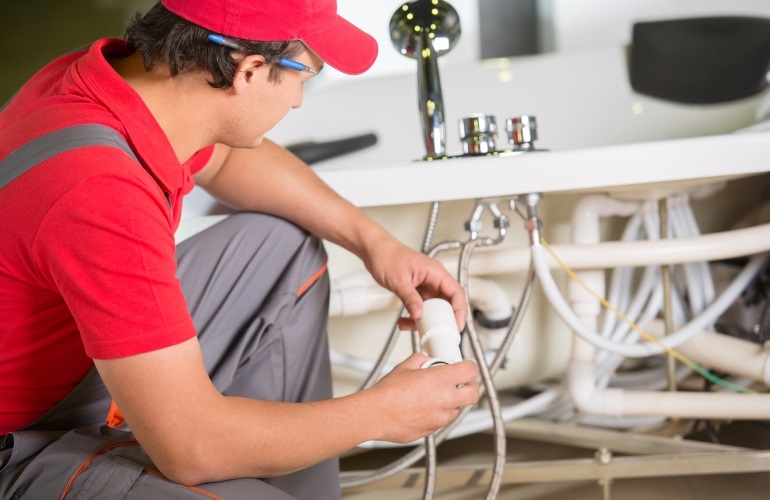
For example, plumbing is a must. Leaks cause water damage, which is expensive and daunting. Drains that malfunction cause backups and legitimate emergencies. Checking visible pipes, fittings and the water heater can help reduce major plumbing catastrophes.
It’s easier to maintain when you have a relationship with professionals you can trust. When something goes wrong, that trusted plumber in Camberwell or other similarly trusted tradesperson is called without frantically Googling reviews on the spot. You develop these relationships through maintenance, not just need-to-fixes.
Seasonal is Always Note-Worthy
To connect maintenance to seasons helps provide a natural timeline. Before summer, check air conditioning; before winter, check heating. This transitional element reminds one when it’s time to check something without need to remember arbitrary dates.
For example, spring is a great time to check outdoor maintenance items like gutter cleaning, outdoor taps, etc., while fall is a good time for roof checks, heating maintenance and outdoor preparation for winter. It’s easier to remember to flush the water heater in March if it’s connected to cleaning out the gutters in spring and thus, one new one tries to remember one maintenance item a month.
Monthly is Worth It
There are only a few maintenance items to do monthly and they should take under an hour combined. If it’s over an hour it won’t be manageable regularly. A check a month is to ensure problems are in the development stage, not comprehensive inspections.
For example, check under sink areas for moisture, exposed pipes for rust/corrosion, loose fittings. Check all taps or flush toilets to ensure they all run well, smoke alarms and carbon monoxide detectors to see if they work. These are quick checks that essentially tell a person when they need further help.
Drains in kitchens and bathrooms require monthly attention, too; not chemical cleaners but a hot flush and eye on contents to ensure as little go down the drain as possible will prevent most slow-drain issues. If the slow drain happens from the inside, sooner rather than later it will be clearer (pun intended) that a professional needs to clear it.
Annual Professional Inspections
Some systems get better with an annual check. The hot water system could use maintenance regardless of how well it holds together. Sediment, anode rods and rust all build but do not declare themselves until they stop working.
HVAC systems could use annual maintenance checks, too, for heating in fall and cooling in spring. These preventative measures will ensure comfortable thresholds instead of mounting issues in the first serious cold or hot day of the year.
Similarly, plumbing inspections are helpful by a professional to give areas of the house a thorough review that homeowners may not recognize. Slow leaks behind walls, corrosion outside pipes and pressure concerns can be detected before they reveal themselves in visible damage. Paying for an annual inspection is cheaper than an emergency repair.
Routine Linking is Most Helpful
When a maintenance link can be established with another routine, it’s automatic. Changing furnace filters each time those particular utilities monthly bills are due, checking smoke alarms when the clocks change for daylight saving, cleaning gutters when someone is already on the ground doing yard work for another reason.
This eliminates the need to remember arbitrary maintenance and linking maintenance to something already in motion means it’s just one step away from something already important. Leverage existing habits instead of attempting to create new ones.
Minimal Documentation
Maintenance documentation does not need to be complex. Some simple noting on a calendar or app should suffice along the lines of what got done and when. This serves purposes of noting when maintenance last occurred and if patterns arise with frequency of issue.
Photos from the outside, serial numbers and installation dates are great if they take moments to do in real time because they become forgotten the moment it’s time to order something or reach out for further assistance. But taking time at installation serves all parties for theoretical future needs.
What Can Wait
Many articles state maintenance tasks should occur on a less frequent basis than annual or semi-annual recommended frequency, and this is true. Windows do not need cleaning monthly (or at all if screens are good enough). When paint chips or rooms smell too much, it’s time to repaint—not on a schedule.
Similarly, understand that flexibility exists so a maintenance schedule does not become overwhelming. The priority tasks save the homeowner money and problems while the rest can either fit within windows or be bided time for unless changing seasons or events merit it.
Take What’s Best For Your Reality
Houses older than others need more attention than new ones. Homes with established problems should watch those particular points more closely. A home with drainage issues needs gutter and downspout checks more regularly than one without.
A time schedule should reflect what is right for a home, not just generic recommendations. A home with little plumbing issues does not need the same attention as one with plumbing issues every other week. This will help keep the effort to a minimum where it actually matters.
Building Habits
The best maintenance schedule is one that is actually maintained. This means starting small with important pieces and adding gradually. Trying to implement it all at once leads to abandonment of all if it becomes too much.
Start with a quick yes/no calendar check each month, add one seasonal item to complete. Get into that rhythm before adding more. Building small creates habits better than overwhelming additions that get abandoned. Success on basic maintenance helps to build confidence for more detailed or difficult items over time.
Make Practical
Maintenance works if it’s realistic, goal-setting and preventative based upon what exists. A perfect house isn’t the goal but one where major issues can be prevented is worth maintenance efforts.
A simple schedule with basic maintenance priorities that gets followed consistently is better than an elaborate one that exists in theory alone. Focus first on plumbing, HVAC and safety elements, then expand as habits grow. The house will look better and expensive surprises will become rare when small preventative efforts happen consistently.