
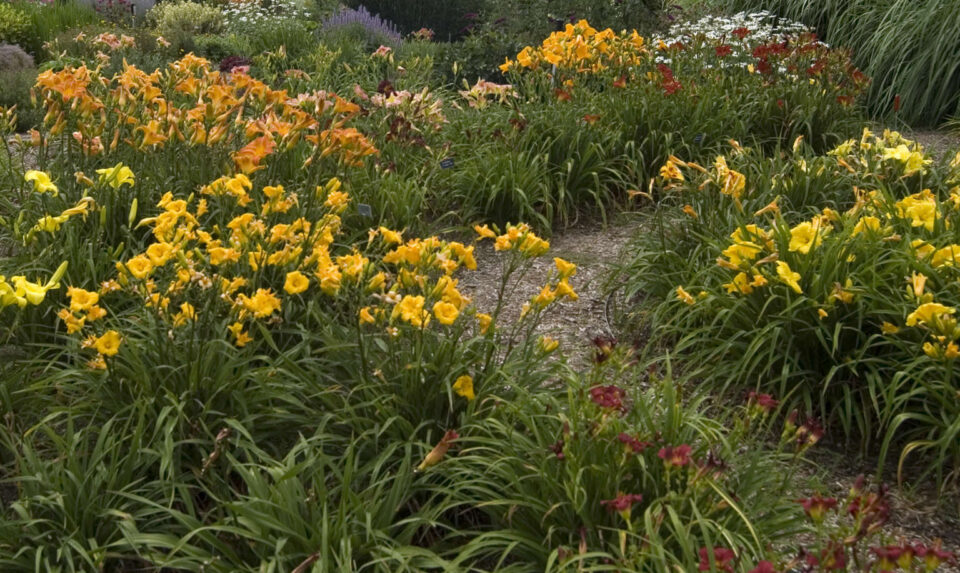
Experienced growers rely on careful plant selection long before a spade touches the soil and daylilies are no exception. Their reputation for reliability can lead some gardeners to assume that any variety will thrive anywhere, yet professional growers know that thoughtful choice at the outset determines long-term performance.
For home gardeners scanning catalogues or browsing Daylily plants for sale at nurseries and shows, the range of cultivars can be overwhelming. Flower size, colour patterns, height, flowering season and disease resistance all vary significantly. Behind the scenes, specialist growers apply a set of practical criteria that goes well beyond appearance. These considerations help them avoid disappointment, ensure continuity of bloom and maintain plant health for years.
A senior grower at SwallowtailDaylilies explains that careful selection begins with understanding both the plant and the site. “When customers explore our collection of Daylily plants, we encourage them to think first about soil drainage, sunlight levels and flowering sequence rather than colour alone. A well-matched variety will outperform even the most striking cultivar planted in the wrong conditions.”
The following five insider tips reveal how experienced growers assess and select daylilies with the same disciplined approach used in orchard planning and professional landscape design. These principles are practical, evidence-based and suitable for gardeners across Britain, from compact urban plots to larger rural gardens.
Matching Cultivar Genetics to Local Conditions
Professional growers begin with climate compatibility. Daylilies are hardy, but not all cultivars respond equally to Britain’s variable weather. Some originate from breeding lines developed in warmer continental climates and may struggle in cooler, wetter regions. Others perform reliably across a wide range of British conditions.
Growers examine the genetic background of a cultivar before selecting it for production. Dormant varieties, which die back fully in winter, often cope well with colder northern regions. Semi-evergreen types may suit milder southern counties where winter soil temperatures remain relatively stable. Evergreen forms can be successful but may resent prolonged waterlogged soil during winter months.
Soil structure is equally important. In orchards, growers test pH and drainage before planting apple trees; similarly, experienced daylily specialists assess whether the soil is free-draining yet moisture-retentive. Heavy clay can be suitable if improved with organic matter, but persistently saturated ground may cause root rot. Sandy soils require consistent organic amendments to prevent drought stress during peak flowering.
Sun exposure also guides cultivar choice. While daylilies tolerate partial shade, many modern large-flowered varieties achieve their best bud count in at least six hours of direct sunlight. In northern gardens, selecting robust mid-season bloomers can help compensate for shorter growing seasons.
Rather than choosing purely on catalogue description, professionals study trial results, observe long-term field performance and note how specific cultivars respond to local rainfall patterns. This data-driven approach mirrors commercial fruit production, where only varieties proven to crop reliably are propagated at scale. For gardeners reviewing Daylily plants for sale, understanding hardiness classification and seasonal behaviour is often more valuable than focusing solely on flower form.
Evaluating Root Health and Plant Structure
A plant’s visible flower is temporary; its root system determines longevity. Growers scrutinise the physical structure of daylily divisions before offering them for sale or adding them to their own stock beds.
Healthy daylily fans should feel firm and substantial. The crown must be solid, without softness or discolouration. Roots should appear thick and pale rather than brittle or darkened. When dividing established clumps, professional growers discard weak outer sections and retain vigorous, multi-fan divisions capable of rapid re-establishment.
This attention to root health parallels best practice in orchard management, where bare-root apple trees are inspected for fibrous root development before planting. A strong root system ensures efficient nutrient uptake and resilience against drought. In daylilies, it also promotes greater scape strength, resulting in upright flower stems that withstand wind and rain.
Growers also assess fan count. While single-fan divisions may survive, multi-fan plants generally establish more quickly and deliver stronger flowering in the first full season. Commercial producers typically propagate to a standard that balances affordability with performance, ensuring customers receive plants capable of thriving rather than merely surviving.
When browsing Daylily plants for sale, experienced buyers gently examine the base of container-grown specimens where possible. Overly congested roots circling the pot may indicate a plant that requires prompt planting and division. Conversely, sparse root systems suggest recent potting and limited establishment time.
Leaf condition offers further clues. Foliage should be green and free from streaking, spotting or distortion. While daylilies are relatively pest-resistant, signs of rust or aphid damage can weaken plants before flowering begins. Professional growers monitor stock carefully and isolate any suspect material, preventing disease spread within nursery beds.
By prioritising structural health over superficial bloom display, growers ensure that each plant has the biological capacity to perform reliably for many seasons.
Planning for Flowering Sequence and Garden Structure
One of the most significant differences between amateur and professional selection lies in planning for continuity. Rather than purchasing a collection of cultivars that flower simultaneously, experienced growers design planting schemes with staggered bloom times.
Daylilies are broadly categorised as early, mid-season, late or repeat-flowering. Within each group, subtle variations can extend the display considerably. By combining cultivars from different flowering windows, growers create an uninterrupted succession that may last from late May through to August in favourable years.
This approach mirrors orchard planning, where varieties are chosen for staggered harvest times to distribute labour and maximise yield. In the ornamental garden, succession planting ensures consistent visual interest and reduces the risk of a brief but overwhelming peak followed by decline.
Height and scape strength also influence selection. Taller cultivars can anchor the rear of borders, while compact forms suit edging or container use. Professionals consider wind exposure, neighbouring plants and overall border composition before committing to a specific variety.
Repeat-flowering cultivars receive particular scrutiny. While catalogues may promise rebloom, growers evaluate real-world performance under British conditions. Reliable repeaters often require adequate feeding and deadheading to encourage secondary scapes. Without appropriate care, their second flush may be modest.
Colour harmony is considered last, not first. Growers often advise selecting a backbone of dependable performers before adding distinctive patterned varieties. Subtle blends of cream, soft yellow and apricot can provide cohesion, while bolder reds or bi-colours act as focal points.
Gardeners assessing Daylily plants for sale can benefit from mapping bloom times on paper before purchasing. This practical exercise reduces impulse buying and results in a more professional-looking display that evolves naturally throughout the season.
Prioritising Disease Resistance and Long-Term Performance
Even resilient plants encounter challenges. In Britain’s damp climate, fungal issues such as daylily rust can appear during warm, humid summers. Professional growers therefore prioritise cultivars with demonstrated resistance.
Resistance is not absolute immunity but a reduced likelihood of severe infection. Through field observation and trial planting, experienced nurseries identify varieties that maintain clean foliage despite adverse conditions. These selections become core stock plants for future propagation.
This method reflects disease management strategies in commercial apple orchards, where resistant rootstocks and cultivars reduce reliance on chemical intervention. In ornamental horticulture, the same principle supports sustainable gardening practices.
Growers also consider vigour over multiple seasons. Some heavily hybridised cultivars produce spectacular flowers but decline after several years if not divided regularly. Others form strong clumps that require minimal intervention. For public landscapes or low-maintenance gardens, long-term resilience outweighs novelty.
Maintenance requirements influence professional choice as well. Varieties with sturdy scapes are less likely to lodge in heavy rain, reducing the need for staking. Foliage that remains attractive after flowering extends ornamental value and supports overall border structure.
When evaluating Daylily plants for sale, experienced gardeners ask about field performance rather than relying solely on promotional images. Questions about clump expansion rate, susceptibility to rust and recommended division intervals provide insight into whether a plant is suited to their maintenance capacity.
By integrating disease resistance and longevity into selection decisions, growers reduce future workload while maintaining consistent garden quality.
Sourcing from Reputable Specialist Growers
The final insider tip concerns provenance. Professional growers understand that plant quality begins at the source. Reputable specialist nurseries maintain accurate labelling, propagate true-to-type divisions and invest in careful cultivation.
Misidentification remains a common issue in the ornamental trade. Daylily cultivars can resemble one another when not in bloom, and errors at propagation stage may persist for years. Specialist growers track parent stock meticulously and remove off-type material promptly.
Nurseries dedicated to daylilies also maintain optimal growing conditions tailored to the genus. Proper spacing, feeding regimes and pest monitoring contribute to stronger plants. In contrast, mass-produced stock grown under generic conditions may lack vigour.
Knowledge transfer is another advantage. Specialist growers provide detailed guidance on planting depth, soil improvement and aftercare. Planting too deeply, for example, can reduce flowering in the first year. Professionals advise positioning the crown just below soil level and ensuring firm contact between roots and soil.
For gardeners exploring Daylily plants for sale online or at shows, reviewing a nursery’s growing practices can be as important as evaluating the cultivar itself. Transparent information about propagation methods and field trials indicates commitment to quality.
Investing in well-grown plants often proves more economical over time. Healthy divisions establish quickly, require fewer replacements and deliver reliable performance. As with fruit tree selection, careful sourcing reduces risk and increases satisfaction.
Conclusion
Selecting daylilies with professional insight transforms a simple purchase into a strategic decision. Matching cultivar genetics to local conditions, assessing root health, planning flowering sequence, prioritising disease resistance and sourcing from reputable specialists all contribute to sustained garden performance.
Although daylilies are often described as low-maintenance, they reward informed selection with stronger growth and extended bloom. Gardeners who apply these five insider tips will find that their planting schemes develop structure and continuity comparable to well-managed orchards or perennial borders designed by professionals.
By approaching Daylily plants for sale with the same disciplined mindset used by experienced growers, home gardeners across Britain can achieve reliable, long-lasting results. Careful choice at the outset remains the most effective way to secure seasons of dependable colour and healthy growth.