
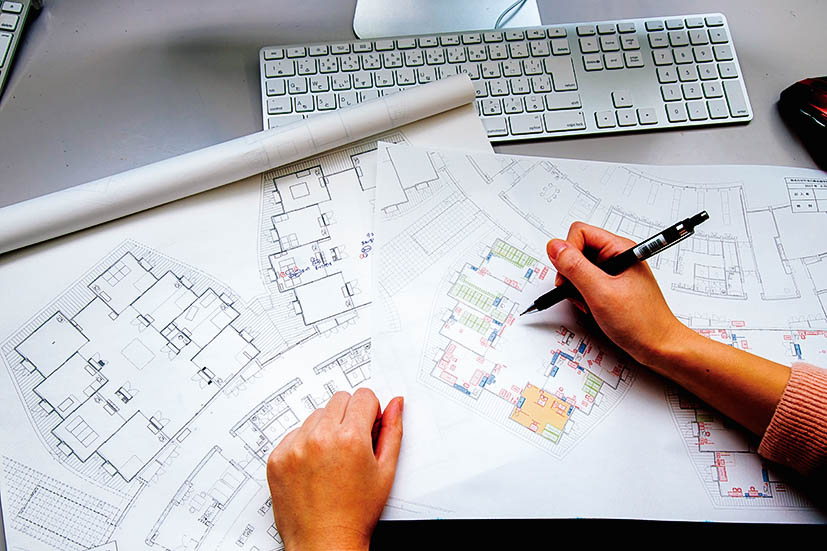
Architecture, in its most fundamental form, is the art and science of designing and constructing buildings and structures. However, it goes far beyond just creating shelters or functional spaces; architecture shapes the environment, influences how we interact with the world, and defines the culture of a civilization. Architecture is a multidisciplinary field that blends technical expertise with creativity, and its influence permeates all aspects of life—from the homes we live in to the public spaces we share.
The Historical Evolution of Architecture
Early Beginnings of Architecture
The origins of architecture date back to prehistoric times when early humans built simple structures for protection, warmth, and survival. These primitive shelters, constructed from natural materials like wood, stone, and animal hides, were the foundation for more complex forms of architecture in later eras. The advent of agriculture around 10,000 BC led to the establishment of permanent settlements, which in turn, accelerated the need for more advanced structures.
The Rise of Classical Architecture
Ancient civilizations, including the Egyptians, Greeks, and Romans, played a pivotal role in the development of architecture. The Egyptians, known for their monumental structures like the Pyramids of Giza, pioneered techniques in stone construction. The Greeks introduced the concept of columns, leading to the development of the Doric, Ionic, and Corinthian orders. Roman architecture took these principles further, incorporating arches, vaults, and concrete to create grand structures like aqueducts, the Colosseum, and the Pantheon.
The Medieval and Gothic Periods
The medieval period saw the rise of religious structures, with cathedrals and castles becoming the dominant architectural forms. Gothic architecture, characterized by pointed arches, ribbed vaults, and flying buttresses, emerged in the 12th century, revolutionizing the design of churches and cathedrals. The most iconic example of Gothic architecture is the Notre-Dame de Paris, whose intricate design and verticality became symbols of religious and political power.
The Renaissance and Baroque Eras
The Renaissance period, which began in the 14th century, marked a return to classical ideals and a celebration of humanism. Architects like Filippo Brunelleschi and Michelangelo incorporated the principles of symmetry, proportion, and geometry into their designs. During the Baroque period that followed, architecture became more dynamic and expressive, with designers like Gian Lorenzo Bernini and Francesco Borromini pushing the boundaries of form and space.
The Modern and Postmodern Movements
The Industrial Revolution in the 18th and 19th centuries brought about significant changes in architecture. New materials, such as steel and glass, along with technological advancements like the elevator, allowed for the creation of taller and more intricate buildings. Modernist architects like Le Corbusier, Frank Lloyd Wright, and Ludwig Mies van der Rohe championed simplicity, functionality, and the use of new materials in their designs.
In the mid-20th century, postmodernism emerged as a reaction against the rigid simplicity of modernism. Postmodern architecture embraced ornamentation, historical references, and a playful approach to design, as seen in the works of architects like Michael Graves and Philip Johnson.
Key Elements of Architecture
Form and Function
One of the fundamental principles of architecture is the relationship between form and function. Architects must balance aesthetics with practicality, ensuring that a structure not only looks appealing but also serves its intended purpose. A well-designed building must cater to the needs of its users, providing comfort, safety, and accessibility, while also considering factors like sustainability and environmental impact.
Space and Light
The use of space and light is integral to architectural design. Architects manipulate both to create a sense of openness, comfort, and flow. The arrangement of interior spaces—whether open-plan or compartmentalized—affects how people move through and interact with the space. Natural light plays a critical role in shaping the atmosphere of a room, influencing mood and productivity. Architects often design with strategic openings, windows, and skylights to maximize the entry of light while maintaining privacy and thermal comfort.
Materials and Sustainability
The choice of materials is one of the most significant aspects of architectural design. Traditional materials like wood, stone, and brick are still widely used, but contemporary architecture often incorporates steel, glass, and concrete. Advances in material science have led to the creation of eco-friendly and sustainable materials, allowing architects to reduce a building’s carbon footprint. Sustainable architecture focuses on minimizing energy consumption, reducing waste, and using renewable resources to create buildings that are not only efficient but also environmentally responsible.
Aesthetic Considerations
Architecture is an art form that serves to inspire and evoke emotions. Aesthetic considerations include the overall appearance of a structure, the use of colors, textures, and the integration of decorative elements. The design of a building must align with the cultural, historical, and social context of its environment. Whether it’s a modern skyscraper, a traditional home, or a historical monument, the aesthetic value of architecture can reflect the values and aspirations of a society.
Architecture’s Impact on Society
Urbanization and the Built Environment
As urbanization accelerates, architecture plays a critical role in shaping the cities of the future. Urban planning and architecture are deeply intertwined, with designers working to create cities that are functional, sustainable, and inclusive. The rise of megacities has led to the need for high-density housing, efficient transportation systems, and public spaces that foster community engagement.
Architectural design influences how people interact with their surroundings. The arrangement of streets, parks, and buildings can impact social behaviors, promote or hinder accessibility, and foster a sense of belonging. Well-designed public spaces, such as plazas and parks, provide areas for recreation, socializing, and cultural exchange, improving the quality of life for residents.
Cultural Identity and Expression
Architecture serves as a cultural expression, reflecting the identity, values, and history of a society. Iconic buildings like the Sydney Opera House, the Eiffel Tower, and the Taj Mahal are symbols of their respective cultures, showcasing the creativity and ingenuity of the architects who designed them. These structures transcend their functional purposes and become landmarks that define the cultural heritage of a nation.
Moreover, architecture has the power to convey political, social, and ideological messages. The design of government buildings, monuments, and memorials often reflects the values and aspirations of the state, reinforcing national identity and collective memory.
Environmental Impact and Sustainability
As the world grapples with climate change and environmental degradation, the role of architecture in sustainability has become more critical. Sustainable architecture aims to create buildings that minimize their environmental impact by using energy-efficient systems, sustainable materials, and green technologies. Green roofs, solar panels, and rainwater harvesting systems are examples of eco-friendly design elements that reduce energy consumption and conserve resources.
Architects are increasingly working to design buildings that coexist harmoniously with nature, integrating natural elements into urban environments. This approach helps to mitigate the effects of urban sprawl and create more livable, resilient cities.
The Future of Architecture
As we look to the future, architecture will continue to evolve in response to technological advancements, environmental challenges, and societal needs. The integration of artificial intelligence (AI) and building information modeling (BIM) is revolutionizing the design process, allowing architects to create more efficient and innovative structures. The rise of smart cities, where technology and infrastructure work together to optimize urban living, will also shape the architecture of tomorrow.
Sustainability will remain a central focus, with architects and designers developing new ways to reduce the environmental impact of buildings. From green roofs and net-zero energy buildings to the use of renewable materials, the future of architecture will be guided by a commitment to the planet and future generations.
Frequently Asked Questions
What are the key factors to consider in architectural design?
In architectural design, key factors include functionality, aesthetics, environmental impact, and the cultural context. Architects must balance these elements to create spaces that are practical, beautiful, and sustainable.
How does architecture affect society?
Architecture shapes the physical and social environment, influencing how people interact with spaces, fostering a sense of community, and impacting cultural identity. Well-designed buildings and urban spaces contribute to the quality of life and social well-being.
What is sustainable architecture?
Sustainable architecture focuses on creating buildings that minimize their environmental impact. This involves using energy-efficient systems, renewable materials, and green technologies to reduce a building’s carbon footprint and conserve natural resources.
How does technology influence modern architecture?
Technology has transformed architecture through innovations like building information modeling (BIM), artificial intelligence (AI), and smart materials. These technologies enable architects to design more efficiently, create complex structures, and optimize building performance.
What are some iconic examples of architecture?
Iconic examples of architecture include the Eiffel Tower in Paris, the Sydney Opera House, the Taj Mahal in India, and the Colosseum in Rome. These structures not only serve their functional purposes but also embody the cultural and historical significance of their time.
How do architects balance form and function?
Architects balance form and function by considering both the aesthetic appeal and the practical needs of a building. They must design spaces that are not only visually pleasing but also comfortable, safe, and functional for the people who will use them.