
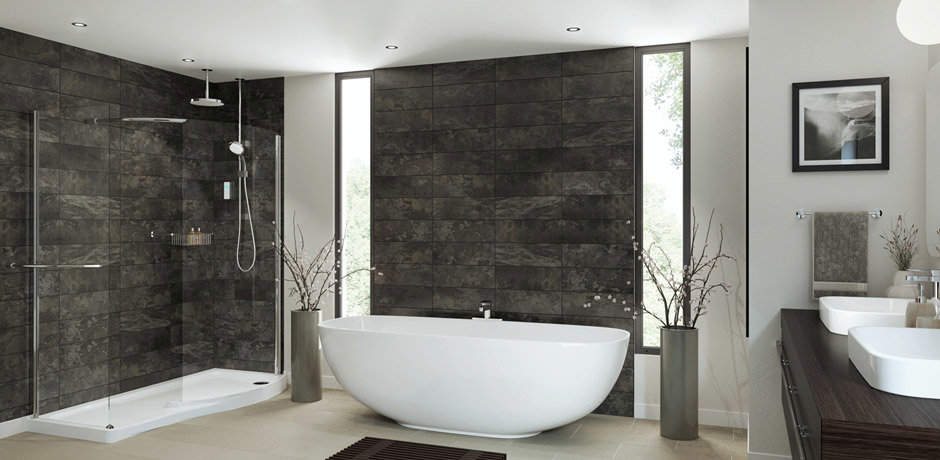
The bathroom, once considered a purely functional space, has evolved into a sanctuary within the home. A place for relaxation, rejuvenation, and self-care, it plays a crucial role in both the aesthetics and functionality of a home. In this article, we will explore the history, design principles, trends, and essential elements that define modern bathrooms. With careful attention to detail, the bathroom has transformed into an essential space that merges form and function seamlessly.
The History and Evolution of Bathrooms
Early Beginnings: From Simple Necessity to Luxurious Space
Bathrooms, in their most primitive form, were essential for basic hygiene. In ancient civilizations such as Egypt and the Roman Empire, bathhouses were central to social life. The Romans developed intricate systems of plumbing, creating public bathhouses that featured hot and cold water, advanced heating systems, and marble fixtures. The concept of private bathrooms began to emerge during the Renaissance in Europe, with wealthy individuals creating baths within their homes for both cleanliness and luxury.
In the 19th century, the Industrial Revolution brought significant advancements in plumbing and sanitation. The introduction of the flush toilet, running water, and indoor plumbing changed the way homes were built and lived in. By the early 20th century, bathrooms were no longer just a necessity but an essential part of home design, increasingly reflecting the tastes and lifestyles of homeowners.
The Mid-Century Modern Influence
The mid-20th century saw the rise of mid-century modern design, which emphasized clean lines, functional form, and open spaces. Bathrooms during this period were no longer just utilitarian; they became spaces for relaxation and personal care. Simple, minimalist designs emerged, and the use of new materials like chrome, ceramic tiles, and fiberglass became common. The integration of new technologies, such as the electric shower, also contributed to a more luxurious bathroom experience.
The Rise of the Spa-Inspired Bathroom
In recent decades, bathrooms have increasingly become designed spaces for wellness and relaxation. The idea of the “spa bathroom” became popular, with homeowners adding features such as soaking tubs, steam showers, and multi-function showerheads to their bathrooms. This trend reflects a broader cultural shift toward health, well-being, and self-care.
Key Elements of Bathroom Design
Layout and Flow: Maximizing Space Efficiency
The layout of a bathroom is critical to its functionality. Whether it’s a small powder room or a large master bathroom, efficient use of space is essential. Bathrooms should be designed to allow for ease of movement while providing privacy and comfort. In small spaces, clever storage solutions such as built-in shelving, recessed medicine cabinets, and space-saving fixtures can maximize available space.
The key to a well-designed bathroom is creating a flow that allows users to move easily from one area to another. The positioning of the toilet, sink, and shower or tub should be considered for both privacy and convenience. In larger bathrooms, zoning can be used to create separate areas for the toilet, shower, and vanity, allowing for a more organized and visually appealing layout.
Materials and Finishes: Balancing Durability and Aesthetics
The materials chosen for bathroom design must balance both durability and aesthetics. Bathrooms are high-moisture areas, so selecting materials that can withstand humidity, water exposure, and wear is essential. Popular materials include:
- Ceramic and Porcelain Tiles: Durable, water-resistant, and available in an array of colors, shapes, and textures.
- Marble and Natural Stone: Classic and luxurious, these materials are perfect for creating a high-end look.
- Wood and Composite Materials: Sustainable options that add warmth to the space, often used in cabinetry or flooring.
- Glass: Used for shower enclosures, mirrors, and even decorative elements, glass is prized for its modern look and ability to enhance the sense of space.
The finishes of fixtures and accessories—such as faucets, showerheads, and cabinet hardware—also play a significant role in defining the style of the bathroom. Chrome, brass, matte black, and brushed nickel are some of the most popular finishes used to complement the overall design.
Lighting: Setting the Right Mood
Lighting is a crucial aspect of bathroom design that should be both functional and aesthetically pleasing. Proper lighting can make a small bathroom feel larger, illuminate key areas like the vanity and shower, and set the right mood for relaxation. Lighting should be layered to create depth and flexibility, incorporating ambient, task, and accent lighting.
- Ambient Lighting: The main source of light in a bathroom, often provided by overhead fixtures or recessed lighting.
- Task Lighting: Focused light around the mirror or vanity, which is essential for grooming tasks like shaving or applying makeup.
- Accent Lighting: Decorative lighting that highlights architectural features or creates a calming ambiance, such as LED strips under a vanity or a pendant light over the bathtub.
Smart Technology Integration
As technology continues to evolve, smart bathrooms have become a growing trend. These high-tech spaces include features such as:
- Smart Toilets: Equipped with heated seats, built-in bidets, and touchless flushing systems, smart toilets offer advanced comfort and hygiene.
- Voice-Controlled Showers: Allowing users to control the temperature, water flow, and even music through voice commands.
- Heated Floors: A luxury feature that provides warmth during colder months, improving comfort.
- LED Mirrors: Smart mirrors with built-in lighting and defogging capabilities.
These innovations not only enhance convenience but also contribute to energy efficiency, making modern bathrooms both smart and sustainable.
Modern Bathroom Trends
Minimalist Design
The minimalist design approach continues to be a dominant trend in modern bathrooms. This style is characterized by clean lines, clutter-free spaces, and an emphasis on functionality. Minimalist bathrooms often feature floating vanities, frameless glass shower enclosures, and simple color schemes, with neutral tones like white, gray, and beige dominating the palette. The minimalist approach to design ensures that the bathroom remains an uncluttered, tranquil space.
Biophilic Design: Bringing Nature Inside
Biophilic design, which emphasizes the connection between people and nature, has gained popularity in recent years. In the bathroom, this trend is manifested through the use of natural materials, plants, and large windows that allow for an abundance of natural light. Wood accents, stone finishes, and green plants help create a spa-like environment that promotes relaxation and well-being. A biophilic bathroom design provides a sense of calm and serenity, making it a perfect retreat.
Eco-Friendly Solutions
Sustainability has become a core consideration in bathroom design. Homeowners and designers are increasingly looking for ways to reduce water and energy consumption while using environmentally friendly materials. Some eco-friendly solutions include:
- Low-Flow Toilets and Showers: These fixtures use less water without sacrificing performance, contributing to water conservation efforts.
- Energy-Efficient Lighting: LED lights and motion sensors help minimize energy use.
- Sustainable Materials: Recycled glass, bamboo, and low-VOC paints are used to reduce environmental impact.
Eco-conscious homeowners are also incorporating water-saving features such as rainwater harvesting systems and greywater recycling, further reducing their carbon footprint.
Essential Features for Every Bathroom
The Bathtub: A Centerpiece of Relaxation
Bathtubs are no longer just for bathing; they have become the centerpiece of bathroom relaxation. Freestanding bathtubs, in particular, have gained popularity for their sculptural beauty and luxurious appeal. Whether it’s a classic clawfoot tub or a modern, minimalist design, a bathtub offers a place for quiet reflection, relaxation, and self-care.
Shower Spaces: From Basic to Luxurious
Showers have become a central feature in modern bathrooms, offering everything from quick refreshment to a spa-like experience. High-pressure showerheads, rain showers, and multi-functional shower systems with jets and handheld sprayers provide a customizable bathing experience. Frameless glass shower enclosures are popular for their sleek, open look, while walk-in showers offer easy access and an expansive feel.
Vanity and Storage Solutions
A well-designed vanity is an essential component of any bathroom. It provides storage for toiletries, towels, and other personal items while adding to the overall aesthetic of the space. Floating vanities have become increasingly popular due to their modern look and space-saving qualities. Custom cabinetry can maximize storage, while open shelving offers a more relaxed, minimalist vibe.
Frequently Asked Questions
How can I make my bathroom feel more spacious?
To make a small bathroom feel more spacious, use light colors, large mirrors, and transparent materials such as glass for shower enclosures. Keep the design clean and clutter-free, and consider floating vanities to open up the floor space.
What are the benefits of smart bathroom technology?
Smart bathroom technology offers convenience, comfort, and energy efficiency. Features like voice-controlled showers, smart toilets, and heated floors enhance the overall bathroom experience while helping to conserve water and energy.
What are the most durable materials for a bathroom?
Ceramic and porcelain tiles, natural stone, and stainless steel are some of the most durable materials for bathrooms. These materials resist moisture, stains, and wear, ensuring longevity even in high-traffic areas.
How can I design a bathroom that is eco-friendly?
To create an eco-friendly bathroom, opt for low-flow toilets and showerheads, use energy-efficient lighting, and choose sustainable materials like bamboo, recycled glass, and low-VOC paints. You can also consider installing water-saving fixtures and incorporating plants for a natural touch.
What are some popular bathroom design trends?
Some current bathroom design trends include minimalist design, biophilic elements, spa-inspired features, and eco-friendly solutions. Freestanding bathtubs, smart technology, and open shelving are also gaining popularity in modern bathrooms.
How can I ensure my bathroom is both functional and beautiful?
To create a bathroom that is both functional and beautiful, focus on the layout, materials, and lighting. Ensure that essential areas, such as the shower, vanity, and toilet, are efficiently arranged. Choose durable materials and finishes that complement the overall design, and incorporate proper lighting for both functionality and ambiance.