
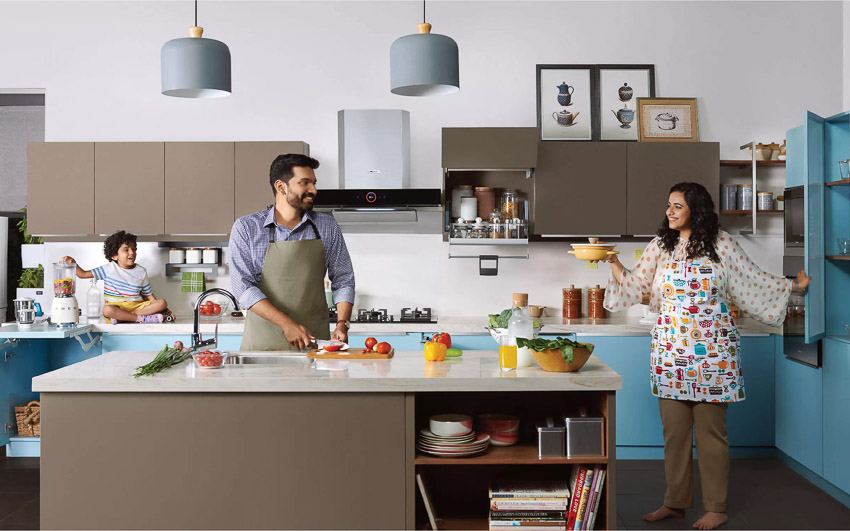
The kitchen is often referred to as the heart of the home. It’s a space where nourishment is prepared, memories are made, and family bonds are strengthened. In this detailed guide, we will explore various aspects of the kitchen—its history, the essential components, how to design a functional yet aesthetically pleasing space, and tips on maintaining a kitchen that supports a healthy and efficient lifestyle.
The Evolution of the Kitchen
The kitchen has evolved considerably over the centuries. In its early days, kitchens were simply spaces for preparing meals, often located in separate buildings or at the back of homes. Over time, as the role of the kitchen expanded beyond mere food preparation to become a space for family gatherings and social interactions, it began to take on more importance in home design.
In the early 20th century, kitchens became more integrated into the home’s floor plan, with modern appliances revolutionizing the way meals were prepared. The rise of open-plan living has also made the kitchen a central focal point in many contemporary homes.
Key Components of a Modern Kitchen
A kitchen today is more than just a place for cooking. It’s a multifunctional space that requires careful planning and thoughtful design to make sure it is both efficient and stylish. Let’s explore the essential elements of a modern kitchen.
1. Kitchen Layout
A kitchen’s layout is the blueprint for how it functions. The goal of any kitchen layout is to create a smooth, intuitive workflow, often called the “kitchen work triangle,” which consists of the stove, sink, and refrigerator. Here are the most common kitchen layouts:
- Galley Kitchen: Efficient and space-saving, this layout consists of two parallel countertops, ideal for smaller kitchens.
- L-Shaped Kitchen: A versatile layout that uses two adjacent walls, allowing for more counter space.
- U-Shaped Kitchen: Perfect for larger spaces, this layout creates a work area on three sides.
- Island Kitchen: This layout features a central island that can serve as additional counter space, storage, and even seating.
2. Counter Space and Storage
Counter space is the heart of a kitchen’s functionality. It’s where meal prep happens, so ample space is essential for the smooth execution of everyday tasks. Alongside counter space, storage is crucial to keep the kitchen organized. Common kitchen storage solutions include:
- Cabinets: Traditional upper and lower cabinets for storing utensils, pots, pans, and food items.
- Drawers: Ideal for storing cutlery, spices, and kitchen tools.
- Pantries: Walk-in or pull-out storage for non-perishable items, keeping your kitchen clutter-free.
3. Appliances
Modern kitchen appliances make cooking more convenient and efficient. Some essential appliances in today’s kitchens include:
- Refrigerator: Essential for preserving food.
- Stove: Whether gas, electric, or induction, the stove is central to any kitchen.
- Dishwasher: Saves time and water, particularly in households with a lot of cooking and eating.
- Microwave: A quick and efficient appliance for reheating or cooking smaller meals.
- Oven: An indispensable tool for baking, roasting, and grilling.
4. Lighting
Proper lighting is crucial in a kitchen. Not only does it ensure safety while preparing meals, but it also enhances the space’s aesthetics. Kitchen lighting typically includes:
- Ambient Lighting: General lighting that illuminates the entire kitchen space.
- Task Lighting: Focused lighting over key work areas such as the sink, stove, or countertops.
- Accent Lighting: Adds style and drama, often used to highlight architectural features or décor.
5. Sink and Faucet
The sink is where the majority of kitchen tasks, like washing dishes, cleaning food, and filling pots, take place. A well-designed kitchen sink should be spacious enough to accommodate these tasks. The faucet should be ergonomic, with features like a pull-out sprayer or touchless controls to enhance convenience.
6. Flooring and Materials
The materials you choose for your kitchen can affect both the functionality and aesthetic of the space. Popular kitchen flooring options include:
- Tile: Durable, easy to clean, and available in various designs.
- Hardwood: Offers warmth and character, but requires more maintenance.
- Vinyl: Budget-friendly and comes in various styles and colors.
Additionally, countertops are another area where material selection is key. Granite, quartz, and marble are popular choices for their durability and aesthetics.
Kitchen Design Trends
The design of the kitchen has become a form of personal expression for many homeowners. Here are some current design trends that are shaping modern kitchens:
1. Open Shelving
Open shelving continues to be a popular design choice for homeowners who want easy access to dishes, spices, and cookware. This trend offers a more casual and approachable kitchen design. However, it requires a commitment to maintaining a tidy and organized space.
2. Sustainable Materials
As sustainability becomes increasingly important, many homeowners are opting for eco-friendly materials in their kitchens. These include bamboo countertops, recycled glass, and energy-efficient appliances.
3. Smart Kitchens
The rise of smart technology has made its way into the kitchen with devices like smart refrigerators, voice-controlled faucets, and app-controlled cooking appliances. These technologies help streamline meal preparation and provide real-time updates on groceries or cooking times.
4. Bold Color Schemes
While white kitchens have been a long-time favorite, many people are now embracing bold colors. Deep blues, forest greens, and even black cabinetry are becoming popular choices for adding personality and sophistication to kitchens.
Organizing Your Kitchen for Maximum Efficiency
A well-organized kitchen is not only aesthetically pleasing but also promotes efficiency. Here are a few tips on how to keep your kitchen organized:
- Declutter: Remove items that are no longer useful or needed. A clean, clutter-free kitchen makes meal prep more efficient.
- Label Containers: Whether you’re storing dry foods or organizing kitchen tools, labeling containers helps keep things in place.
- Use Drawer Dividers: Keep utensils and smaller items sorted to make finding what you need faster.
- Install Pull-Out Shelves: Pull-out shelves or lazy Susans can help make the most of deep cabinet space, reducing the hassle of reaching for items at the back.
Maintaining Your Kitchen
A well-maintained kitchen not only looks great but also functions better. Regular maintenance will help prevent breakdowns and ensure a long-lasting, clean space. Here are some tips:
- Clean Appliances: Regularly clean your stove, oven, and refrigerator to maintain their efficiency.
- Sanitize Surfaces: Countertops, cutting boards, and sinks should be cleaned daily to avoid contamination and maintain hygiene.
- Check Plumbing: Inspect faucets, pipes, and drains for leaks to prevent water damage or inefficient water use.
- Maintain Flooring: Depending on the type of flooring, regular sweeping, mopping, or sealing may be required to keep it looking its best.
Conclusion: Creating the Perfect Kitchen
A kitchen is more than just a space for cooking; it’s a place where memories are made, meals are shared, and family members bond. To create the perfect kitchen, consider your specific needs and preferences, from layout and appliances to materials and design trends. A well-designed and organized kitchen will not only make cooking easier but also enhance the overall atmosphere of your home.
FAQ Section
1. What is the best kitchen layout for a small space?
For smaller spaces, a galley kitchen is often the most efficient layout. It uses two parallel walls, maximizing counter space while maintaining an easy workflow.
2. What materials should I use for kitchen countertops?
Popular materials for kitchen countertops include granite, quartz, and marble. Granite is durable and heat-resistant, while quartz is low-maintenance and available in various colors.
3. How can I make my kitchen more energy-efficient?
To make your kitchen more energy-efficient, choose energy-efficient appliances, use LED lighting, and consider smart home technology for controlling the temperature and lighting.
4. How often should I clean my kitchen appliances?
Regular maintenance is essential. Clean your oven and refrigerator at least once a month. Dishwashers should be cleaned monthly to remove food buildup, and your microwave should be wiped down after each use.
5. How do I choose the right sink for my kitchen?
When choosing a sink, consider the size, material, and features like a pull-out sprayer or double basin for multitasking. Stainless steel sinks are durable and easy to clean, while granite sinks offer a stylish, sturdy option.
6. What are some storage tips for a small kitchen?
Use vertical storage, such as wall-mounted shelves and cabinets, and under-cabinet storage solutions like pull-out drawers or lazy Susans to maximize space. Additionally, consider multi-purpose furniture like kitchen islands with built-in storage.