
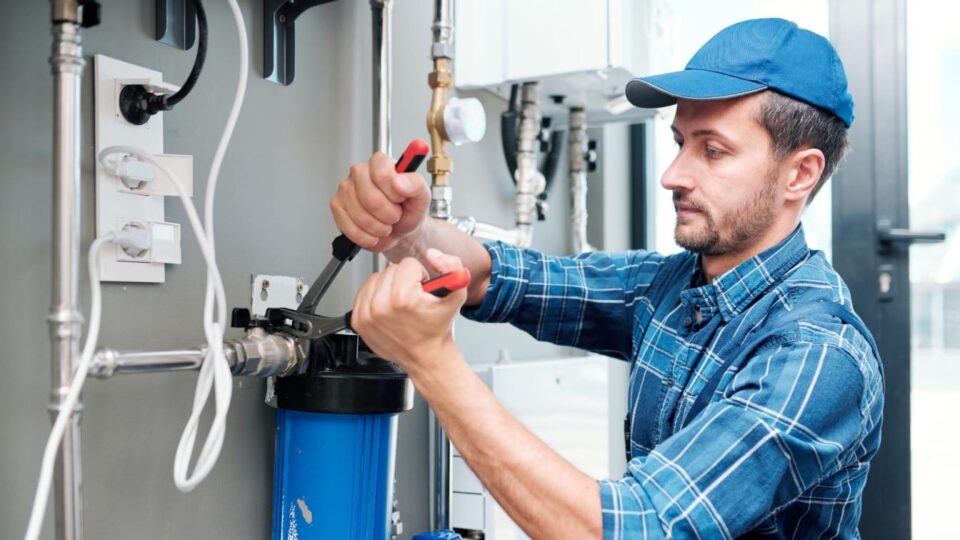
A reliable plumbing system is essential for a comfortable and functional property. Water is needed for cooking, cleaning, bathing and many other everyday activities, while effective drainage ensures wastewater leaves the home safely. When plumbing is designed properly and maintained regularly, most daily tasks can be completed without inconvenience.
For homeowners, plumbing improvements can be an opportunity to solve existing problems, reduce water waste and make a property easier to maintain. Even relatively small upgrades can improve convenience when they are selected carefully.
Start With a Plumbing Assessment
Before making major changes, it is useful to understand the condition of the existing system. Older pipes, worn fittings and inefficient fixtures may affect performance without creating obvious problems.
A professional assessment can help identify areas that may require attention. It can also provide a clearer picture of whether a property needs minor repairs or more substantial upgrades.
Checking the plumbing system before beginning renovation work can prevent unexpected issues from appearing halfway through a project.
Upgrade Outdated Fixtures
Fixtures such as taps, showerheads and toilets are used frequently, so upgrading older models can improve both convenience and efficiency.
Modern fixtures are available in many styles and performance levels. Water-efficient options can reduce unnecessary consumption while still providing suitable everyday performance.
When choosing new fixtures, consider:
- Water efficiency
- Durability
- Ease of cleaning
- Appearance
- Compatibility with existing connections
- Ease of future maintenance
A practical fixture can provide better long-term value than one chosen purely for its appearance.
Improve Kitchen Plumbing
Kitchen plumbing should be designed around the way the household uses the space. A sink needs adequate water supply and effective drainage, while appliances such as dishwashers may require additional connections.
During a kitchen renovation, it can be worthwhile to review the position of pipes and drainage points before cabinets are installed. Good planning can make future repairs easier and prevent connections from becoming difficult to access.
Homeowners should also avoid putting grease, oils and food scraps down kitchen drains. Preventing blockages is often easier than dealing with them after they occur.
Make Bathroom Plumbing More Efficient
Bathrooms contain several fixtures in a relatively small area, making plumbing design especially important. Poor positioning can affect both convenience and available space.
A well-planned bathroom should allow sufficient room around toilets, basins, showers and baths while keeping plumbing connections practical.
Water-efficient shower fittings and taps can help reduce consumption. Modern toilets may also provide improved flushing performance while using less water than older models.
Pay Attention to Drainage
Good drainage is just as important as reliable water supply. A plumbing system should remove wastewater efficiently without persistent smells, slow flow or backups.
Slow drains should not always be treated as a minor inconvenience. They can indicate that a blockage is developing further down the system.
Simple preventive measures can help protect drains. Strainers can reduce the amount of unwanted material entering sinks, while appropriate maintenance can keep drainage systems operating effectively.
Reduce the Risk of Leaks
Even a small leak can become a larger problem if it is ignored. Water can damage cabinetry, flooring, walls and other building materials.
Homeowners should regularly inspect visible plumbing connections, particularly beneath sinks and around appliances. Dampness, staining or unusual smells can indicate that water is escaping somewhere it should not.
Knowing the location of the main water shut-off valve is also important. In an emergency, quickly stopping the water supply may help limit damage.
Consider Water Pressure
Water pressure can influence the performance of showers, taps and appliances. A sudden change may indicate a problem within the plumbing system.
If water pressure becomes noticeably weaker or stronger, the cause should be investigated rather than ignored. Several factors can contribute to pressure changes, so identifying the actual source is important before attempting a repair.
Maintaining suitable pressure can also help protect plumbing components from unnecessary stress.
Plan Plumbing During Renovations
Renovation projects are an ideal time to review plumbing. If walls, floors or cabinetry are already being changed, it may be more practical to upgrade pipes and connections at the same time.
Planning plumbing early can help coordinate it with other trades. It can also reduce the risk of having to remove newly installed finishes to access pipes later.
Homeowners should consider not only current requirements but also future needs. A flexible design may make future bathroom, kitchen or laundry changes easier.
Know When to Hire a Professional
Basic maintenance can help homeowners deal with minor issues, but complex plumbing should be handled by an appropriately qualified professional.
Professional assistance may be needed for:
- Burst pipes
- Major leaks
- Sewer or drainage problems
- New plumbing installations
- Significant renovations
- Persistent water pressure issues
Professional work can reduce the risk of incorrect repairs and help ensure the system operates safely and effectively.
Build Good Plumbing Habits
A dependable plumbing system depends partly on everyday habits. Avoid flushing unsuitable materials, keep drains free from unnecessary waste and repair small leaks promptly.
Regularly checking exposed pipes and connections can also help identify problems early. These simple habits require little effort but can prevent avoidable damage.
Conclusion
Plumbing improvements can make a property more efficient, convenient and reliable. From upgrading fixtures and improving drainage to addressing leaks and planning better layouts, homeowners have many opportunities to strengthen their plumbing systems.
The most effective approach combines good design with regular maintenance. By paying attention to warning signs and seeking professional help when necessary, homeowners can protect their property and enjoy a dependable plumbing system for years to come.