
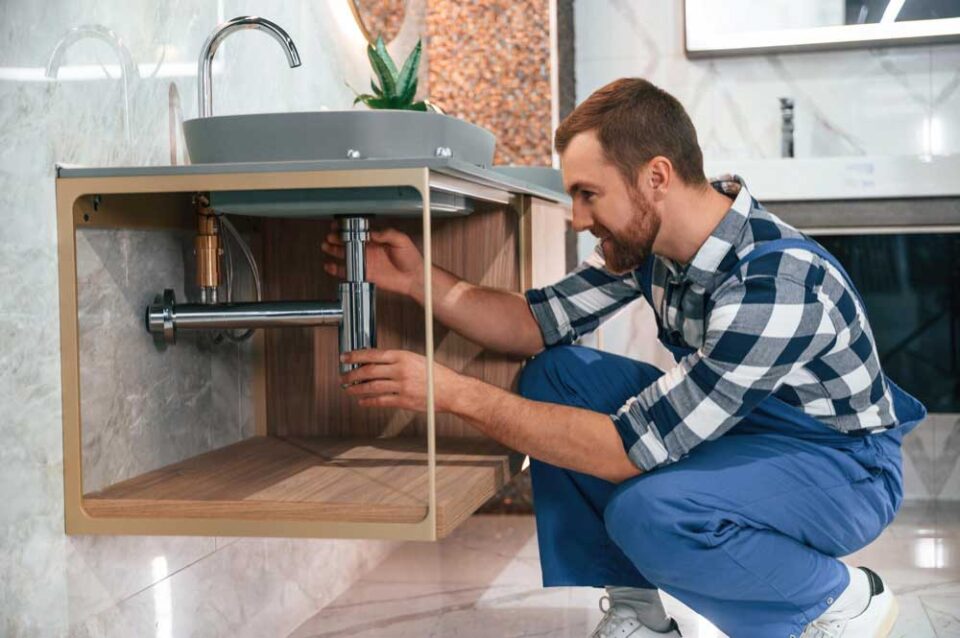
Modern homes depend on reliable plumbing systems for many everyday activities. From preparing meals and taking showers to washing clothes and maintaining clean living spaces, water needs to be delivered and removed efficiently. As homes become more focused on convenience and resource efficiency, plumbing solutions are also evolving.
A well-planned plumbing system can improve functionality, reduce water waste and make maintenance easier. Whether building a new property or upgrading an existing one, understanding the key aspects of modern plumbing can help homeowners make practical decisions.
The Role of a Reliable Plumbing System
Plumbing is responsible for much more than supplying water to taps. It connects different areas of a property and supports fixtures, appliances and drainage systems.
A reliable system should provide consistent water flow while safely carrying wastewater away. It should also be designed to handle the demands placed on it by the number of occupants and the way the property is used.
Poorly planned plumbing can result in recurring blockages, leaks, pressure problems and unnecessary maintenance. Good planning from the beginning can prevent many of these issues.
Water-Efficient Fixtures
Water efficiency has become an important consideration for homeowners. Modern fixtures are designed to provide useful performance while reducing unnecessary water consumption.
Water-efficient taps, showerheads and toilets can help households use less water during everyday activities. These improvements can be particularly valuable in homes where several people use the same bathroom or kitchen.
When selecting new fixtures, homeowners should consider both performance and compatibility with the existing plumbing system.
Upgrading Older Plumbing
Older properties may have plumbing components that are no longer performing as efficiently as they once did. Pipes, valves, seals and fittings can deteriorate with age and may eventually develop leaks or restrictions.
An upgrade does not always mean replacing the entire system. A professional assessment can help identify which components require attention and which can remain in good condition.
Replacing outdated fixtures and repairing damaged sections can improve reliability while reducing the likelihood of future problems.
Improving Kitchen Plumbing
The kitchen places considerable demands on a property’s plumbing system. Sinks, dishwashers, water filters and other appliances may all depend on reliable water supply and drainage.
A well-designed kitchen should provide convenient access to water while keeping pipes and connections organised. Drainage should also be planned to handle regular use without frequent blockages.
Simple habits can support good performance. Food waste should be kept out of drains, while oils and grease should not be poured into sinks.
Designing Better Bathroom Plumbing
Bathrooms require careful plumbing design because they contain several water outlets within a relatively small area. Showers, baths, toilets and basins all need suitable supply and drainage.
Good planning considers the position of each fixture, available space and access for future maintenance. Effective ventilation is also important because bathrooms produce significant moisture.
During a bathroom renovation, plumbing decisions should be made early. Moving fixtures after walls, flooring or cabinetry have been installed can increase costs and create unnecessary delays.
Drainage and Wastewater Management
Effective drainage is essential for maintaining a clean and comfortable property. Wastewater needs to leave the building quickly and safely without causing unpleasant smells or backups.
Slow drainage can be an early indication of a developing blockage. Rather than repeatedly relying on temporary solutions, homeowners should consider investigating the underlying cause when a problem continues.
Keeping unsuitable materials out of drains is one of the simplest ways to support a healthy drainage system.
Plumbing and Home Renovations
Renovations provide an opportunity to improve plumbing alongside other parts of the property. Changes to kitchens, bathrooms, laundries and utility areas may require new pipework or relocated connections.
Plumbing should be considered during the planning stage rather than after other work has begun. Coordination between plumbing, electrical work, cabinetry and structural changes can help the project run more smoothly.
It is also worth considering future needs. Flexible plumbing arrangements can make later upgrades easier if household requirements change.
Smart Plumbing Technology
Technology is gradually becoming part of modern plumbing systems. Some properties now use devices that monitor water consumption or identify unusual flow patterns.
Leak detection technology can provide an early warning when water is flowing unexpectedly. This can be particularly useful when a property is unoccupied for extended periods.
While technology cannot replace proper maintenance, it can provide additional information and help homeowners respond to potential issues sooner.
Protecting Pipes and Connections
Pipes and fittings need protection from unnecessary stress, impact and environmental conditions. Regular inspection of accessible components can help identify corrosion, moisture or other signs of deterioration.
Water-connected appliances should also be checked periodically. Hoses and connections can wear over time, and replacing damaged components early may help prevent unexpected leaks.
Keeping plumbing areas accessible makes inspection and maintenance easier.
When Professional Plumbing Is Needed
Some plumbing tasks require specialist knowledge and equipment. Major leaks, burst pipes, sewer problems, complex installations and significant alterations should generally be handled by qualified professionals.
Professional assistance is particularly important when plumbing work involves structural changes or major renovations. Proper installation can improve system reliability and help prevent expensive problems later.
Conclusion
Modern plumbing combines reliability, efficiency and thoughtful design. From water-saving fixtures and improved drainage to leak detection technology and well-planned renovations, homeowners have many ways to improve their plumbing systems.
The most effective approach is to consider plumbing as a long-term part of the property rather than something that only needs attention when a problem occurs. Regular maintenance, sensible water use and professional assistance when required can help create a dependable system that supports comfortable living for years to come.