
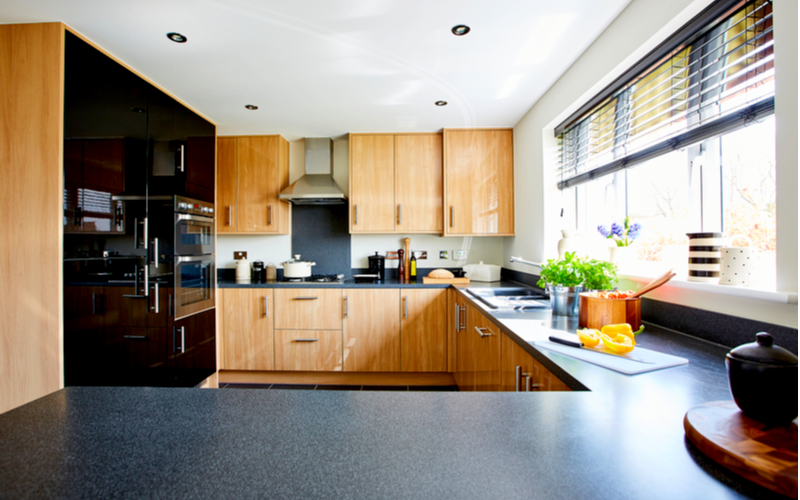
Renovation is more than just a process of making a space look fresh and updated; it is a transformative journey that enhances the functionality, aesthetics, and overall value of a property. Whether you’re looking to breathe new life into an old home, adapt a space for modern needs, or increase the resale value of your property, renovation offers endless opportunities. This article delves deep into the renovation process, covering the essential aspects such as planning, budgeting, design considerations, and the benefits of renovation.
Understanding Renovation: More Than Just a Facelift
Renovation refers to the process of improving a structure by updating, remodeling, or altering its existing features. The primary goal of renovation is to improve the functionality, efficiency, and aesthetic appeal of a space, while also ensuring it aligns with modern trends and practical needs. It is different from restoration, which focuses on returning a property to its original condition. Renovation can range from simple cosmetic updates to full-scale remodeling projects.
Types of Renovation Projects
Renovations can take many forms, depending on the scope and intention behind the project. Common types of renovations include:
- Cosmetic Renovations: These involve non-structural changes designed to refresh the look of a property. This includes painting, retiling, changing flooring, and upgrading fixtures. These updates are typically quicker and less costly.
- Structural Renovations: These involve changes to the core framework of a building, such as tearing down walls, altering layouts, or expanding the structure. Structural renovations are more complex and often require professional architects and contractors.
- Kitchen and Bathroom Renovations: These areas of the home are critical to functionality and aesthetics. Upgrading countertops, cabinets, plumbing, and lighting can significantly increase the value and livability of your home.
- Energy-Efficiency Renovations: With rising energy costs and environmental concerns, many homeowners are investing in energy-efficient upgrades such as installing solar panels, adding insulation, replacing windows with energy-efficient ones, or upgrading HVAC systems.
- Smart Home Renovations: Incorporating the latest technology into a home is a growing trend. Smart home renovations can include installing advanced security systems, smart thermostats, lighting automation, and home automation hubs.
Planning a Successful Renovation: Laying the Groundwork
Before embarking on a renovation project, proper planning is crucial to ensure a smooth process and successful outcome. Here are the key steps involved:
1. Define Your Goals
Start by identifying the primary objectives of your renovation project. Are you trying to improve the space for personal enjoyment, or are you renovating to increase resale value? Having clear goals will help guide your decisions throughout the renovation process.
2. Set a Realistic Budget
Renovations can quickly become costly if not carefully managed. Establishing a realistic budget is essential to avoid overspending. It’s important to include a buffer for unexpected expenses, which are common in most renovation projects. Consider both direct costs (materials, labor, permits) and indirect costs (temporary accommodations, utilities).
3. Hire the Right Professionals
Depending on the scale of the renovation, you may need to hire contractors, architects, designers, and other specialists. It’s important to vet professionals thoroughly, check their credentials, and review past work to ensure they are the right fit for your project. A reputable contractor will help navigate building codes, permits, and any other legal requirements.
4. Obtain Necessary Permits
Renovation projects that involve structural changes, electrical work, or plumbing typically require permits from local authorities. Failing to obtain the necessary permits can lead to delays, fines, or even the demolition of the work done. Ensure that your contractors are familiar with the permitting process.
5. Create a Timeline
Renovations can take weeks or even months, depending on their complexity. Creating a detailed timeline will help you stay on track and manage expectations. Be realistic about the time it takes to complete each phase of the project, and keep communication open with your contractors to avoid delays.
Key Design Considerations for Renovation
When planning a renovation, design is one of the most important factors to consider. The right design can transform a home and increase its value, while poor design can undermine the purpose of the renovation.
1. Open Concept vs. Defined Spaces
The trend toward open-concept living spaces has been popular for years, but this might not be suitable for every home. In some cases, defined spaces work better for privacy, functionality, and design integrity. For example, if you’re renovating a kitchen and living area, consider whether an open layout or a more defined space suits your lifestyle.
2. Layout and Flow
Renovating a home often involves rethinking its layout. The flow of a space is essential for both aesthetic appeal and practical use. The layout should allow easy movement between rooms while maximizing space usage. Factors such as door placement, natural light, and the positioning of furniture should be taken into account.
3. Incorporating Sustainability
Sustainability is a key factor in modern renovation. More homeowners are focusing on eco-friendly materials, energy-efficient appliances, and designs that minimize environmental impact. Consider the use of sustainable building materials such as bamboo, recycled wood, and low-VOC paints, as well as renewable energy solutions like solar panels.
4. Functionality and Storage Solutions
Maximizing the functionality of a space is crucial, particularly in smaller homes. Storage is often a top priority for homeowners, and innovative solutions can make a big difference. Consider built-in shelves, hidden storage compartments, or multi-purpose furniture that can help keep your home organized.
5. Future-Proofing
When renovating, it’s important to think about the future. Consider potential changes in your family structure or lifestyle. For instance, if you plan to age in place, you might want to incorporate features such as wider doorways, ramps, or non-slip floors to ensure accessibility.
The Benefits of Renovation
Investing in renovation provides numerous advantages, both in terms of personal satisfaction and financial returns.
1. Increased Property Value
A well-executed renovation can significantly increase the value of your property, especially when focusing on high-impact areas like the kitchen, bathroom, or exterior. Homes with modern, updated features are more attractive to buyers, which can lead to a higher selling price.
2. Enhanced Functionality and Comfort
Renovation allows you to customize your home according to your specific needs and preferences. Whether it’s adding more storage, improving the layout, or creating a home office, renovations can make a space more functional and comfortable.
3. Energy Savings
Energy-efficient renovations, such as upgrading insulation, windows, and HVAC systems, can help reduce energy consumption and lower utility bills. These renovations also contribute to environmental sustainability by reducing your carbon footprint.
4. Personal Satisfaction
Renovating your home allows you to create a space that aligns with your personal style and needs. Whether it’s redesigning your kitchen, creating an outdoor oasis, or building your dream home office, renovation offers the opportunity to bring your vision to life.
5. Preventative Maintenance
Renovation is also an opportunity to address underlying issues that may not be visible at first glance. For example, it allows you to fix plumbing problems, upgrade electrical systems, and ensure your home is structurally sound. This proactive approach helps prevent costly repairs in the future.
Common Mistakes to Avoid During Renovation
While renovation can be exciting, it also comes with challenges. Here are some common mistakes homeowners make and how to avoid them:
1. Skipping the Planning Stage
Failing to plan adequately can lead to wasted time, increased costs, and missed opportunities. Always take the time to develop a comprehensive plan that includes a budget, timeline, and design goals before you start.
2. Underestimating Costs
Many homeowners underestimate the total cost of their renovation project, not factoring in hidden expenses like permits, labor, and unforeseen repairs. Be realistic and add a contingency fund to your budget to cover unexpected costs.
3. Ignoring Professional Help
While DIY renovations can be tempting, certain projects require the expertise of professionals. Structural changes, electrical work, and plumbing should be handled by licensed contractors to ensure the work is safe and meets building codes.
4. Over-Renovating for the Neighborhood
While it’s tempting to make high-end upgrades, it’s important to consider the surrounding area. If you invest too much in your renovation, you might price your home out of the local market. It’s essential to strike a balance between creating a dream home and staying within the boundaries of your neighborhood’s value.
FAQs About Renovation
What is the difference between renovation and remodeling?
Renovation refers to updating or improving a space, while remodeling often involves making significant structural changes, such as altering the layout or expanding a room.
How can I renovate my home on a budget?
Focus on cosmetic updates, like painting walls, upgrading hardware, and improving lighting. Choose affordable materials and hire contractors for essential tasks to save on costs.
What are the most popular renovation trends?
Some popular trends include smart home technology, energy-efficient upgrades, open-concept living spaces, and sustainable materials like bamboo and recycled wood.
How long does a typical renovation take?
The timeline depends on the scope of the project. Simple renovations like painting or updating fixtures may take a few days, while more extensive renovations, such as kitchen or bathroom remodels, may take several weeks or even months.
Do I need a permit for renovation?
Permits are required for major structural changes, electrical work, plumbing, and other alterations. Always check with local authorities to determine if your renovation requires a permit.
By following these guidelines and tips, you can ensure that your renovation project not only adds value to your property but also enhances your living experience.