
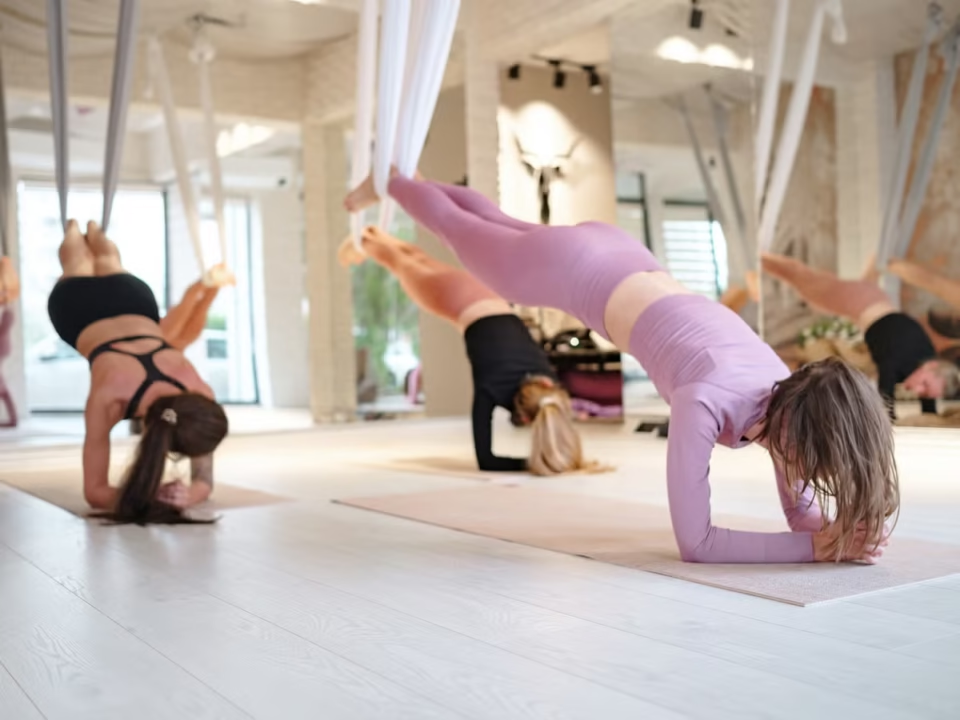
As urban living spaces in Singapore grow more compact, homeowners are becoming increasingly creative about incorporating wellness into everyday life. Beyond treadmills or meditation corners, aerial yoga has emerged as an elegant and space-efficient way to bring both fitness and tranquillity into the home. By combining interior design, structural planning, and mindful architecture, homeowners are learning how to transform even small apartments into private sanctuaries for suspended serenity.
The Rise of At-Home Wellness Spaces
Wellness has become a central part of modern living, and homeowners now view personal health areas as essential rather than luxurious. This trend accelerated during the pandemic, when people sought ways to recreate studio experiences at home. In Singapore, where space is a premium, aerial yoga provides a refreshing solution because it requires minimal floor area yet delivers a full-body, meditative workout.
Unlike large gym equipment, aerial hammocks blend seamlessly with interior aesthetics. They can be suspended in a corner, folded away when not in use, and repurposed for relaxation or meditation. The practice encourages mindfulness, strength, and flexibility, turning a simple living area into a holistic wellbeing zone.
Why Aerial Yoga Fits Urban Singapore Living
Singapore’s apartments, especially in HDBs and condominiums, emphasise efficient design. Aerial yoga fits beautifully into this lifestyle because:
-
Compact installation: A ceiling-mounted hammock requires as little as 2×2 metres of clear space.
-
Minimal visual clutter: When installed thoughtfully, the hammock adds an artful, sculptural element to interiors.
-
Multifunctionality: The same setup can be used for yoga, stretching, meditation, or even as a reading cocoon.
-
Aesthetic appeal: Silk hammocks come in calming tones that complement modern home palettes.
More Singaporean homeowners are now consulting both interior designers and fitness experts to ensure that their aerial yoga spaces are functional, safe, and stylish.
Structural Considerations for Safe Installation
Safety is paramount when installing an aerial yoga setup at home. The hammock’s suspension points must be capable of supporting dynamic weight—often up to 300 kilograms when factoring in movement. Before installation, a professional assessment is essential.
Key engineering factors include:
-
Ceiling type – Reinforced concrete ceilings are ideal. False ceilings or plasterboard cannot support aerial rigs without additional reinforcement.
-
Anchoring hardware – Use stainless steel ceiling mounts or carabiners rated for industrial load capacity. Avoid makeshift hooks or furniture support.
-
Rig spacing – Ensure a minimum clearance of 1.5 metres from walls or furniture and 2.5 metres of ceiling height for safe inversions.
-
Flooring and mats – Non-slip mats or cork flooring provide cushioning and reduce vibration noise during practice.
For renters, freestanding rigs offer a flexible alternative that doesn’t require ceiling drilling. These portable frames can be folded or moved between rooms without permanent modification.
Designing a Wellness-Centric Home Aesthetic
Integrating aerial yoga into interior design requires balance between utility and atmosphere. Homeowners are increasingly creating “micro wellness zones”—calm spaces that evoke studio tranquillity without disrupting the overall aesthetic of the home.
Some design strategies include:
-
Natural lighting: Positioning hammocks near windows for soft daylight enhances focus and relaxation.
-
Neutral tones: Earthy palettes, light woods, and white fabrics create a sense of openness.
-
Acoustic calm: Using sound-absorbing panels or curtains to maintain serenity in small flats.
-
Mood lighting: Adjustable LED strips or warm pendant lights for evening sessions.
A well-designed aerial yoga corner not only promotes health but also enhances home ambience—blurring the line between fitness area and interior art.
How Technology Enhances Home Practice
Smart-home integration is now expanding into wellness design. Home aerial yoga setups increasingly include:
-
Bluetooth-enabled speakers for guided sessions or meditative playlists.
-
App-connected lighting systems that adjust brightness and hue during practice.
-
Fitness tracking devices to monitor posture, pulse, and relaxation response.
Some homeowners even integrate AI-based fitness mirrors to follow instructors in real time, creating a private yet interactive studio experience.
The Psychological Value of Suspension at Home
Beyond the physical benefits, having an aerial yoga space at home creates emotional balance. Hanging mid-air fosters mindfulness, calmness, and self-awareness. After long workdays or screen-heavy schedules, spending just 15 minutes in the hammock can alleviate fatigue and reset mental focus.
Aerial yoga practice also reinforces self-discipline. When wellness becomes part of the home environment, it integrates naturally into daily routine rather than feeling like an external task. The hammock becomes a reminder to slow down, breathe, and reconnect.
Sustainability and Minimalism in Aerial Yoga Design
Sustainability is becoming a priority for Singaporean homeowners. Eco-friendly materials, such as organic cotton hammocks or recycled nylon silks, are increasingly used to minimise environmental impact. Combining these with reclaimed wood accents or bamboo flooring creates a natural, sustainable aesthetic.
Aerial yoga setups also support minimalist living. By replacing bulky fitness machines with a simple piece of suspended fabric, homeowners reclaim floor space and encourage a less cluttered lifestyle.
Customising Spaces for Families and Shared Homes
In multi-occupant homes, aerial yoga spaces can serve multiple functions. For example, parents may use the hammock for stretching, while children enjoy gentle swings or mindfulness exercises under supervision.
Designers are experimenting with dual-purpose setups—installing hammocks that double as artistic ceiling drapes or detachable swings. This multifunctionality ensures that wellness design remains accessible, even in compact family homes.
The Role of Professional Guidance
While DIY installations may seem tempting, professional guidance ensures both safety and aesthetics. Certified instructors can recommend the correct hammock type and rigging system, while designers can create harmony between the wellness corner and existing interiors.
Studios like Yoga Edition serve as excellent references for homeowners who want to replicate studio-grade comfort at home. Their structured approach to aerial yoga offers insights into lighting, alignment, and ergonomic space planning that elevate the home practice experience.
The Future of At-Home Aerial Yoga
As homes evolve into multi-purpose environments for work, rest, and wellness, the integration of aerial yoga will continue to rise. Future designs may feature retractable ceiling mounts, eco-smart fabrics that adapt to temperature, and AI systems that guide users through custom routines.
The next generation of home wellness design will focus on immersive simplicity—spaces that invite movement, mindfulness, and serenity in equal measure. In this future, aerial yoga will not be a luxury accessory but a functional lifestyle element.
FAQ
Q1. Can aerial yoga hammocks be safely installed in all types of HDB flats or condos?
Not always. Structural ceilings differ, so professional assessment is necessary before installation. Some ceilings may require reinforcement or freestanding rigs.
Q2. What maintenance does a home hammock require?
Clean it monthly with mild detergent, inspect carabiners regularly for wear, and replace any frayed fabric immediately. Proper upkeep ensures long-term safety.
Q3. How much space do I need to practise aerial yoga comfortably at home?
A minimum of 2×2 metres of open floor space and 2.5 metres of ceiling height is recommended to perform inversions safely.
Q4. Can aerial yoga help improve focus during work-from-home routines?
Yes. Short sessions between work tasks improve blood flow and mental clarity, helping reduce fatigue from prolonged sitting.
Q5. Is it expensive to design an aerial yoga area at home?
Not necessarily. A basic home setup with professional installation can cost between SGD 500 and SGD 1000, depending on materials and hardware.
Integrating aerial yoga into modern Singapore homes reflects a growing movement towards mindful living and spatial creativity. By merging wellness, design, and innovation, homeowners are discovering that true luxury lies not in larger homes, but in living lighter—physically, mentally, and emotionally.