
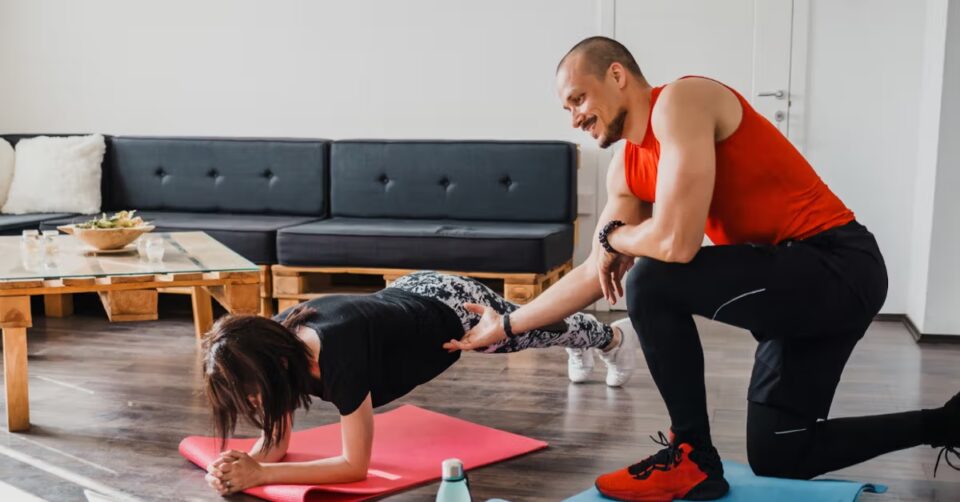
Singapore’s modern homes and condominiums are known for their intelligent use of space, but when it comes to fitness, limited room can often feel restrictive. Yet, with the guidance of a personal gym trainer Singapore, space no longer becomes an excuse—it becomes an opportunity. Personal trainers have mastered the art of designing compact, efficient, and result-driven workout programmes that fit perfectly into the realities of urban living. Whether you’re working out in a small condo gym or converting a corner of your living room into a mini studio, a trainer ensures every inch is optimised for performance and safety.
The Reality of Fitness Spaces in Singapore
Most Singaporeans live in apartments or condominiums with shared gym facilities or compact layouts. While these setups offer convenience, they often lack the diversity of equipment found in large gyms. A personal trainer bridges this gap by adapting workouts to your environment, focusing on functionality over quantity.
Rather than relying on bulky machines, trainers use multi-purpose tools and strategic bodyweight exercises to ensure a full-body workout in minimal space. The emphasis shifts from “what equipment you have” to “how you use it.”
Space-Efficient Equipment That Delivers Big Results
One of the first things a trainer does is assess your available space and recommend compact tools that serve multiple purposes. Some of the most effective include:
-
Resistance bands: Perfect for strength training, stretching, and mobility.
-
Adjustable dumbbells: Replace entire racks and are easy to store.
-
Suspension trainers (like TRX): Use door frames or ceiling mounts for total-body workouts.
-
Kettlebells: Ideal for both strength and cardio conditioning.
-
Exercise mats: Essential for floor work, core stability, and flexibility training.
With these tools, even a 2m x 2m space can become a functional fitness zone capable of delivering gym-level results.
Designing the Perfect Condo Gym Routine
A professional trainer tailors each routine to your environment, ensuring you move efficiently while maintaining safety. Typical condo or home workouts incorporate:
-
Bodyweight circuits (push-ups, planks, squats, lunges) for strength and endurance.
-
Mobility flows to improve flexibility and posture.
-
Compact HIIT sessions using minimal movement footprint for maximum calorie burn.
-
Functional training focused on core stability and coordination.
These sessions require no complicated setups and can be performed anywhere—balconies, living rooms, or even shared condo spaces.
The Benefits of Working Out at Home or in a Condo Gym
Training at home offers more than convenience. It eliminates travel time, enhances privacy, and allows complete flexibility. Under professional guidance, home-based workouts can be just as effective as traditional gym sessions.
Key advantages include:
-
Time efficiency: No commuting means easier scheduling.
-
Personalised attention: Trainers can focus entirely on your form and goals.
-
Family-friendly: Encourages household participation in healthy habits.
-
Consistency: Reduces the chances of skipping workouts due to time constraints.
For many Singapore professionals balancing work, family, and fitness, this model fits seamlessly into daily life.
Safety and Posture: The Trainer’s Priority
Without large machines or mirrors, maintaining form becomes crucial in smaller spaces. A personal trainer ensures every movement is performed safely and effectively. They teach posture awareness, proper breathing, and joint alignment—especially for exercises performed on uneven flooring or compact mats.
Trainers also help rearrange furniture or mark zones to ensure clear movement paths, reducing the risk of injury during workouts.
How Trainers Make the Most of Compact Spaces
Experienced trainers view spatial limitations as creative opportunities. They design rotational workouts that utilise vertical and horizontal space efficiently. For example:
-
Wall-assisted push-ups and handstands improve upper body strength.
-
Furniture edges serve as platforms for tricep dips.
-
Resistance bands anchored to doors create adjustable tension for strength training.
-
Staircases double up as cardio and step-training tools.
These smart adaptations bring gym-level variety into everyday spaces.
Virtual and Hybrid Coaching for Home Fitness
Many trainers in Singapore now combine in-person visits with virtual sessions, especially for clients who prefer home-based fitness. Through video calls and real-time feedback, they ensure consistent guidance without needing physical presence.
Hybrid coaching options often include:
-
Weekly live check-ins.
-
Personalised workout videos suited to your available equipment.
-
App-based tracking for progress and accountability.
This model is ideal for those who travel frequently or prefer training in privacy while maintaining professional supervision.
Creating Motivation in a Home Environment
One challenge of home workouts is sustaining motivation. Trainers address this through structured scheduling and measurable progress goals. By tracking performance, calories, and strength gains, they create a sense of achievement after each session.
They also use motivational cues and challenges—like monthly mini fitness tests or reward milestones—to keep sessions engaging. This transforms home workouts from repetitive routines into dynamic experiences.
The Aesthetic Element: Designing Your Home Studio
Trainers often assist clients in setting up visually appealing workout corners that blend with home décor. Using neutral-toned mats, foldable benches, and compact racks, they create functional yet stylish spaces.
This aesthetic integration encourages consistency since clients feel comfortable and inspired in their personal workout zones. In many cases, a small, dedicated corner becomes the most productive area in the house.
How TFX Trainers Optimise Small Spaces for Big Impact
At TFX, trainers understand Singapore’s urban lifestyle and space constraints. Their approach focuses on smart design, movement efficiency, and total-body engagement.
TFX trainers help clients build personalised routines that maximise compact areas, combining strength, mobility, and cardio into balanced programmes. They also integrate recovery elements like stretching and breathing techniques to ensure sustainability and long-term results.
Whether in a condominium gym or a small HDB living room, TFX trainers ensure every session feels structured, safe, and effective.
The Future of Home Fitness in Singapore
The trend toward home-based fitness is only growing stronger. As technology evolves, trainers now use wearable integrations and virtual assessments to monitor form, performance, and recovery remotely. This hybrid approach bridges the gap between professional gym coaching and home convenience.
With expert guidance, limited space no longer limits potential. Personal training adapts seamlessly to Singapore’s lifestyle, bringing high-performance fitness into the comfort of your home.
FAQs
1. Can I achieve real results training in a small home space?
Yes. With a customised plan from a personal trainer, compact workouts can deliver the same strength, endurance, and body composition improvements as full-gym routines.
2. Do I need to buy expensive equipment for home training?
Not at all. Simple tools like resistance bands, a yoga mat, and adjustable dumbbells can provide diverse and effective workouts.
3. How does a trainer ensure proper form without gym mirrors?
Trainers use real-time correction, video feedback, and posture cues to ensure movements are safe and effective even without mirrors.
4. What if I live in a condo with shared facilities?
A trainer will design a flexible plan around the available equipment and schedule your sessions during less crowded hours for maximum privacy and comfort.
5. How do TFX trainers help clients with home-based workouts?
TFX trainers assess your environment, recommend compact equipment, and create space-efficient routines that align with your goals and lifestyle.