
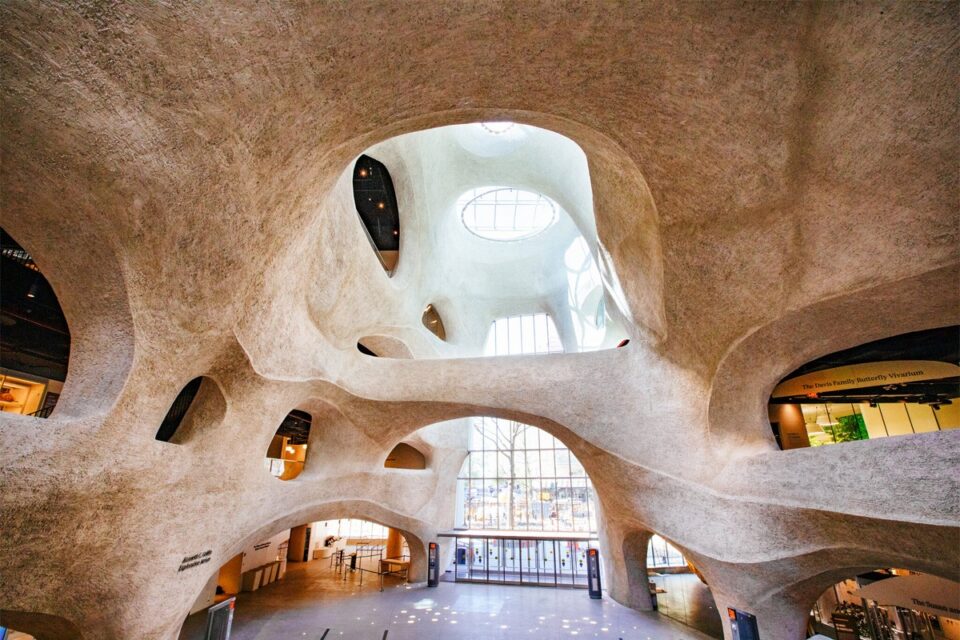
Architecture is much more than the design of buildings. It is the thoughtful combination of space, structure, materials, function and visual appeal to create places where people can live, work, learn and connect. From family homes and offices to schools, hospitals and public spaces, architecture influences how people experience their surroundings every day.
Good architectural design balances practical needs with creativity. A successful building should not only look attractive but also be comfortable, safe, efficient and suitable for its purpose. As lifestyles and technology continue to change, architecture is also evolving to meet new expectations.
The Importance of Architecture
Architecture plays an important role in shaping communities. Well-designed buildings can improve comfort, productivity and quality of life. They can also reflect the character, history and culture of a particular location.
For example, a residential property may be designed around privacy, natural light and family interaction, while a commercial building may focus more heavily on accessibility, workflow and efficient use of space.
Architecture can influence many aspects of daily life, including:
- How people move through and interact with a space
- The amount of natural light and ventilation available
- Energy consumption and long-term operating costs
- Comfort, safety and accessibility
- The visual identity of a building or neighbourhood
Balancing Beauty and Function
One of the key principles of architecture is finding the right balance between appearance and practicality. A visually impressive building may not be successful if its layout is inconvenient or difficult to maintain.
Architects consider how a space will actually be used before developing a design. They examine factors such as room sizes, movement patterns, storage requirements, lighting, ventilation and access.
Materials also contribute to both appearance and performance. Timber can create a warm and natural atmosphere, while concrete and steel can provide strength and a modern appearance. Glass can increase natural light, but it must be carefully incorporated to manage heat and privacy.
Sustainable Architectural Design
Sustainability has become an increasingly important part of modern architecture. Building design can have a significant effect on energy use, waste and environmental impact, making thoughtful planning essential.
Sustainable architecture often focuses on reducing energy consumption and making better use of available resources. Designs may incorporate natural ventilation, energy-efficient lighting, insulation, solar energy and water-saving systems.
Choosing durable materials can also contribute to sustainability because buildings that remain functional for longer may require fewer replacements and major renovations.
Rather than treating sustainability as an additional feature, many modern projects consider environmental performance from the earliest stages of design.
Architecture and Technology
Technology has transformed the way architects develop and present their ideas. Digital design tools allow professionals to create detailed models, explore different layouts and identify potential problems before construction begins.
Three-dimensional modelling can help clients understand how a proposed building may look and function. Advanced software can also assist with structural planning, energy analysis and coordination between different construction professionals.
Technology does not replace creativity. Instead, it gives architects more opportunities to test ideas and develop practical solutions for increasingly complex projects.
Designing for Different Communities
Every architectural project has its own requirements. A design that works well in one location may not be suitable somewhere else. Climate, culture, population, land availability and local building requirements can all influence architectural decisions.
In residential architecture, the focus may be on creating comfortable and adaptable homes. In healthcare, design needs to support hygiene, accessibility and efficient movement. Educational buildings often require flexible learning environments, while offices may prioritise collaboration and employee wellbeing.
Understanding the people who will use a building is therefore one of the most important parts of the design process.
The Future of Architecture
The future of architecture is likely to focus increasingly on flexibility, sustainability and human-centred design. Buildings need to respond to changing lifestyles, environmental challenges and advances in technology.
Adaptable spaces can make buildings more useful over time, allowing rooms and layouts to serve different purposes as needs change. Energy-efficient systems and environmentally responsible materials can also help create buildings that are more sustainable in the long term.
At the same time, architecture will continue to value creativity and individuality. Buildings can provide more than shelter or workspace; they can create memorable experiences and contribute to a strong sense of place.
Conclusion
Architecture connects creativity with practical problem-solving. From the layout of a small home to the design of a major public building, thoughtful planning can make spaces more useful, comfortable and inspiring.
As expectations continue to change, successful architecture will depend on balancing function, aesthetics, sustainability and the needs of the people who use each space. By combining innovative ideas with careful planning, architecture can create environments that remain valuable for generations.