
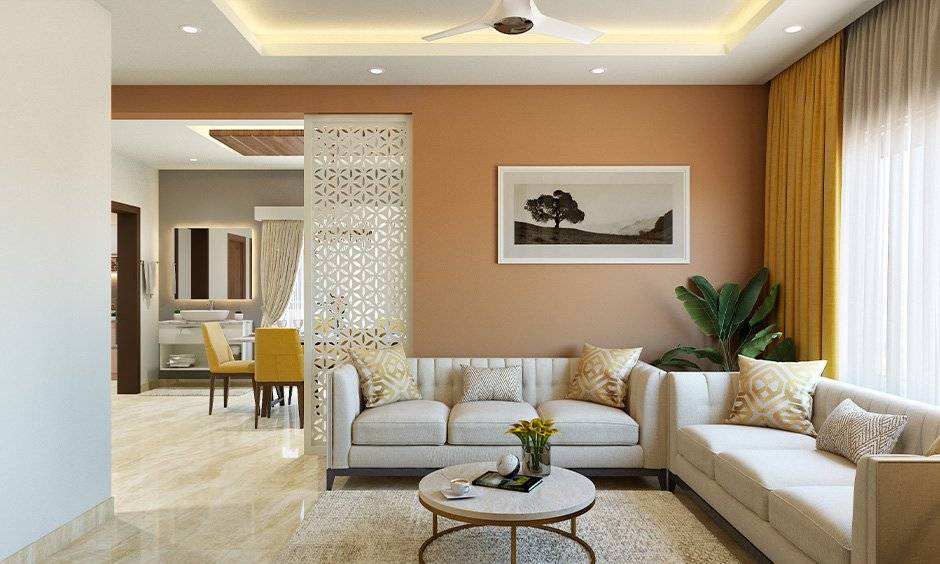
Interior design is a blend of artistry and functionality, shaping spaces that reflect the personality, needs, and aspirations of those who inhabit them. It goes far beyond the mere selection of furniture or color palettes; it’s about creating an environment that balances aesthetics with practical considerations. Whether designing a single room or an entire home, effective interior design involves a deep understanding of how to combine elements like space, lighting, color, texture, and furniture to create a harmonious and inviting atmosphere.
In this article, we will delve into the key principles of interior design, the current trends, and how to approach designing spaces that are both beautiful and functional. We will also explore common mistakes to avoid and offer tips on how to approach a redesign.
The Foundations of Interior Design
Space Planning: The Cornerstone of Every Design
Effective space planning is essential in interior design. It’s the process of organizing the elements of a room in a way that maximizes functionality while creating a flow that makes the space feel comfortable and inviting. Understanding the layout is crucial because it dictates how people move through and interact with the room. There are several techniques for space planning, including:
- Zoning: Dividing a room into different zones based on its function, such as a dining area, lounging space, or reading nook.
- Flow: Ensuring that there’s a logical flow of movement within the room. For instance, pathways should be clear and unobstructed.
- Scale and Proportion: Choosing furniture that complements the size of the space. Overly large or small pieces can make a room feel unbalanced.
The goal of space planning is to ensure that a room is not only visually appealing but also practical for its intended use. For example, a living room might need seating arrangements that promote conversation, while a kitchen will require easy access to appliances, counter space, and storage.
Lighting: Illuminating Design and Functionality
Lighting is a critical aspect of interior design. It’s not only about ensuring a room is well-lit but also about creating mood and accentuating the room’s features. There are three main types of lighting:
- Ambient Lighting: This is the primary source of light in a room. It’s often provided by ceiling lights or recessed lighting and serves to illuminate the entire space evenly.
- Task Lighting: Task lighting is focused on specific areas where you need more direct light for activities like reading, cooking, or working.
- Accent Lighting: Accent lighting adds drama and highlights specific elements in a room, such as artwork, plants, or architectural features.
The type of lighting used should complement the purpose of the room. For example, in a bedroom, soft, ambient lighting can create a relaxing atmosphere, while in a home office, bright, task-oriented lighting is necessary for productivity.
Color: Setting the Tone and Creating Atmosphere
Color has a profound impact on the atmosphere of a room. It can influence mood, perception of space, and overall comfort. When selecting colors for a room, interior designers consider factors such as lighting, the room’s size, and its function. For instance:
- Warm colors (reds, oranges, yellows) tend to create an inviting, energetic atmosphere. These colors work well in dining rooms, kitchens, and living rooms where social interaction is encouraged.
- Cool colors (blues, greens, purples) create a calming, serene environment. They are often used in bedrooms and bathrooms to promote relaxation and restfulness.
- Neutral colors (grays, whites, beige) are versatile and timeless. They can be used as the main color or as a backdrop to highlight other elements in the room.
The way a room is lit can also affect how colors appear. Natural light often brings out the vibrancy of colors, while artificial lighting can create warmer or cooler tones depending on its temperature.
Texture and Materials: Adding Depth and Interest
Texture plays a key role in interior design, adding visual and tactile depth to a space. The materials and finishes you choose for furniture, flooring, and decor can transform the feel of a room. The most commonly used textures in interior design include:
- Soft textures: These include fabrics like velvet, cotton, and linen, which add comfort and warmth. Soft textures are often used in upholstery, throw pillows, curtains, and bedding.
- Hard textures: These include materials like wood, stone, glass, and metal, which contribute to the room’s structure and overall aesthetic. Hard textures are found in furniture, floors, and architectural elements.
- Mixed textures: Combining different textures can add interest and complexity to a space. For instance, pairing a plush velvet sofa with a sleek, metal coffee table can create an exciting contrast.
The choice of texture can also impact the functionality of a space. For example, textured rugs can add comfort and warmth to a hard surface floor, while smooth finishes on countertops can make cleaning easier.
Interior Design Styles: Finding Your Personal Aesthetic
The style you choose for a room plays a central role in the overall design concept. While there are many design styles to choose from, they can often be grouped into a few broad categories:
Modern and Contemporary Design
Modern and contemporary styles focus on clean lines, simplicity, and functionality. These spaces often feature minimalistic furniture, neutral color schemes, and sleek finishes. Natural light is highly emphasized, and the design is often open and uncluttered. Modern design is perfect for people who prefer a minimalist and refined aesthetic, focusing on practicality without sacrificing style.
Traditional and Classic Design
Traditional interior design is characterized by rich wood finishes, deep colors, and ornate furniture. This style emphasizes symmetry, with carefully balanced room layouts and furnishings. Soft, plush fabrics such as velvet and silk are often used in upholstered pieces, creating a luxurious atmosphere. If you enjoy a more formal, timeless look, traditional design may be the perfect fit.
Industrial Design
Industrial design takes inspiration from warehouses and factories, often incorporating raw, unfinished materials like exposed brick, concrete, and metal. This style emphasizes a “lived-in” aesthetic, blending vintage and modern elements. The goal is to create an edgy, yet comfortable environment with a touch of urban charm.
Rustic and Farmhouse Design
Rustic and farmhouse design focuses on natural, earthy elements, often featuring reclaimed wood, metal accents, and warm colors. These designs evoke a sense of warmth and nostalgia, ideal for those looking for a cozy, inviting environment. The style often uses vintage or handcrafted furniture, emphasizing comfort and functionality over formality.
Current Trends in Interior Design
Sustainability and Eco-Friendly Design
With growing environmental concerns, sustainability has become an important consideration in interior design. Many homeowners are opting for eco-friendly materials such as bamboo, reclaimed wood, and recycled glass. Energy-efficient lighting, low-VOC paints, and the use of natural, biodegradable fabrics also play a role in creating environmentally conscious spaces. Sustainable design not only contributes to the planet’s well-being but also ensures a healthier living environment.
Biophilic Design: Bringing Nature Indoors
Biophilic design is an approach that incorporates natural elements into the interior space, creating a connection to the outdoors. This design trend often includes the use of plants, natural materials, and ample natural light. The aim is to create a harmonious living environment that reduces stress and increases productivity and well-being.
Smart Homes and Technology Integration
Technology has become an integral part of modern interior design. Smart homes feature systems that control lighting, temperature, security, and entertainment from a single device, like a smartphone or voice assistant. In addition to improving convenience, these systems can help save energy and enhance the comfort of a space.
Common Interior Design Mistakes to Avoid
Overcrowding the Space
One of the most common mistakes in interior design is overcrowding a room with furniture and decor. Too many pieces can make a room feel cramped and chaotic. To avoid this, focus on quality over quantity and leave space for movement.
Ignoring Functionality
While aesthetics are important, functionality should never be overlooked. A beautifully designed room is of little value if it doesn’t serve the needs of its occupants. Ensure that your furniture choices, layout, and materials make the space practical for its intended use.
Clashing Colors and Styles
Mixing too many bold colors or styles can create a discordant, overwhelming atmosphere. Aim for a cohesive color scheme and balance the design elements so they complement each other. It’s essential to choose a primary design style and build from there rather than trying to mix too many trends at once.
Frequently Asked Questions
How do I choose the right color for my living room?
Consider the function of the room and the atmosphere you want to create. Warm colors like red, orange, and yellow are great for creating an inviting, energetic vibe, while cool tones like blue and green can create a calming, peaceful environment. Neutral colors are versatile and can be complemented with bolder accents.
What is the best flooring for a modern interior design?
Hardwood, tile, and polished concrete are great options for modern interior design. They provide clean lines, a sleek look, and durability. Vinyl and laminate are also good alternatives for budget-conscious designs, offering similar aesthetics at a lower cost.
How can I make a small room feel larger?
To make a small room feel larger, use light colors on the walls and furniture. Keep the design simple with minimal furniture and decor, and utilize mirrors to reflect light and create the illusion of more space. Additionally, use multi-functional furniture and maintain clear pathways for easy movement.
What are the essential elements of biophilic design?
Biophilic design incorporates natural elements like plants, natural wood, stone, and plenty of natural light. It focuses on creating a connection with nature to improve well-being, reduce stress, and promote creativity.
How can I create a cozy atmosphere in my home?
To create a cozy atmosphere, incorporate soft textures like plush rugs, throw blankets, and upholstered furniture. Use warm lighting, such as table lamps and candles, and include personal touches like artwork or family photos to make the space feel inviting.