
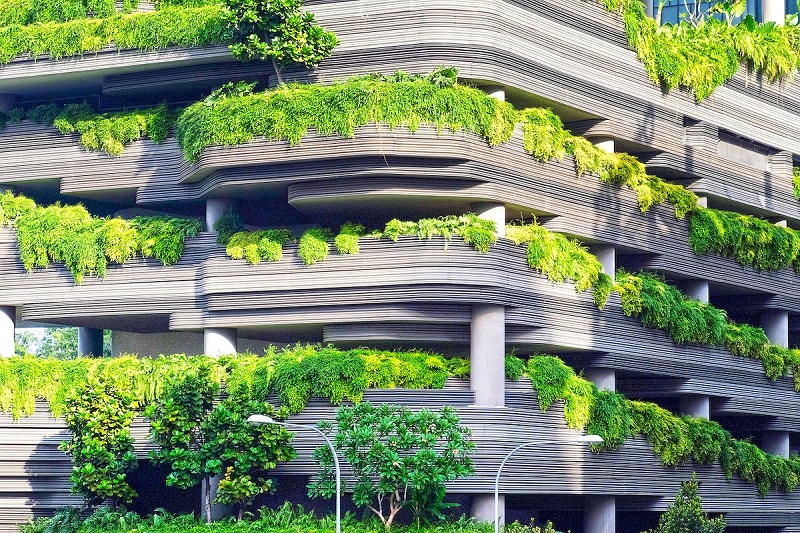
Modern architecture has changed the way people think about buildings and the spaces around them. Instead of focusing only on appearance, contemporary design considers functionality, comfort, sustainability and the changing needs of occupants. Whether it is a private home, office, retail space or public building, modern architecture aims to create environments that are practical while still being visually appealing.
As technology, lifestyles and environmental concerns continue to develop, architectural design is becoming more adaptable. Architects are finding new ways to use space efficiently, reduce environmental impact and create buildings that remain useful for many years.
What Makes Modern Architecture Different?
Modern architecture is often recognised by clean lines, open spaces and a strong connection between indoor and outdoor areas. However, its defining feature is not simply a particular visual style. It is the way design responds to practical needs.
Many modern buildings use simple layouts that make movement easier and allow spaces to serve multiple purposes. Large windows can bring in natural light, while carefully planned openings can improve airflow and create a stronger connection with the surrounding environment.
The goal is to make buildings feel comfortable and purposeful rather than adding unnecessary features.
The Role of Natural Light
Natural light is an important consideration in architectural design. A well-lit interior can feel more spacious, welcoming and comfortable during the day.
Architects consider the position of windows, skylights and openings when developing a building. The direction of sunlight can influence room placement and the choice of materials used around windows.
Natural light can also reduce the need for artificial lighting during daylight hours. When combined with appropriate shading and insulation, it can contribute to a more energy-efficient building.
Efficient Use of Space
Good architecture does not necessarily require a large amount of space. Effective planning can make even a compact building feel comfortable and functional.
Open-plan layouts, built-in storage and flexible rooms are common solutions for making better use of available areas. A single room may serve as a workspace during the day and a social area in the evening.
Efficient space planning is particularly valuable in urban areas, where land can be expensive and properties may have limited floor space.
Sustainable Materials and Construction
Environmental responsibility is becoming a central consideration in modern architecture. Designers are increasingly interested in materials and construction methods that reduce waste and improve long-term performance.
Some projects use recycled or responsibly sourced materials, while others focus on durable products that require less frequent replacement. Energy-efficient windows, insulation and building systems can also improve performance.
Sustainability should be considered throughout the design process rather than added after the main decisions have already been made.
Technology in Architectural Design
Digital technology has made architectural planning more detailed and efficient. Architects can create three-dimensional models that show how a building will look before construction begins.
These models make it easier to identify design problems, compare different ideas and communicate plans with clients and construction teams. Digital tools can also assist with measurements, structural planning and environmental analysis.
As technology continues to develop, architects will have more opportunities to test innovative concepts while improving accuracy and efficiency.
Designing Around People
A successful building should be designed around the people who will use it. Understanding their habits, requirements and expectations can lead to better architectural decisions.
For a family home, this might mean creating practical living areas, private bedrooms and flexible spaces for changing family needs. In an office, it could involve quiet work areas, meeting spaces and comfortable shared facilities.
Accessibility is another essential consideration. Buildings should allow people with different physical abilities to move through and use spaces safely and comfortably.
Architecture and Community
Architecture can influence more than individual buildings. It can contribute to the identity and character of entire neighbourhoods.
Public spaces, parks, community buildings and well-planned streets can encourage people to interact and spend time outdoors. Attractive and functional environments can also support local businesses and make neighbourhoods more enjoyable.
Good architectural planning therefore considers how a building fits into its wider surroundings rather than treating it as an isolated structure.
Looking Towards the Future
Future architecture will likely place even greater emphasis on adaptability, environmental performance and human wellbeing. Buildings may need to accommodate changing work patterns, new technologies and evolving community requirements.
Flexible designs can help buildings remain useful for longer, reducing the need for major alterations or demolition. Smart building systems may also improve energy management, security and occupant comfort.
At its best, modern architecture combines creativity with responsible decision-making. It creates spaces that look considered, perform efficiently and respond to the people and environment around them.
Conclusion
Modern architecture is about creating meaningful spaces that work well today while remaining adaptable for tomorrow. Through thoughtful planning, efficient use of materials, sustainable solutions and human-centred design, architects can create buildings that provide lasting value.
The strongest architectural projects demonstrate that beauty and practicality do not have to compete. When they are carefully combined, they can produce spaces that are comfortable, efficient, inspiring and built to support the way people live and work.