
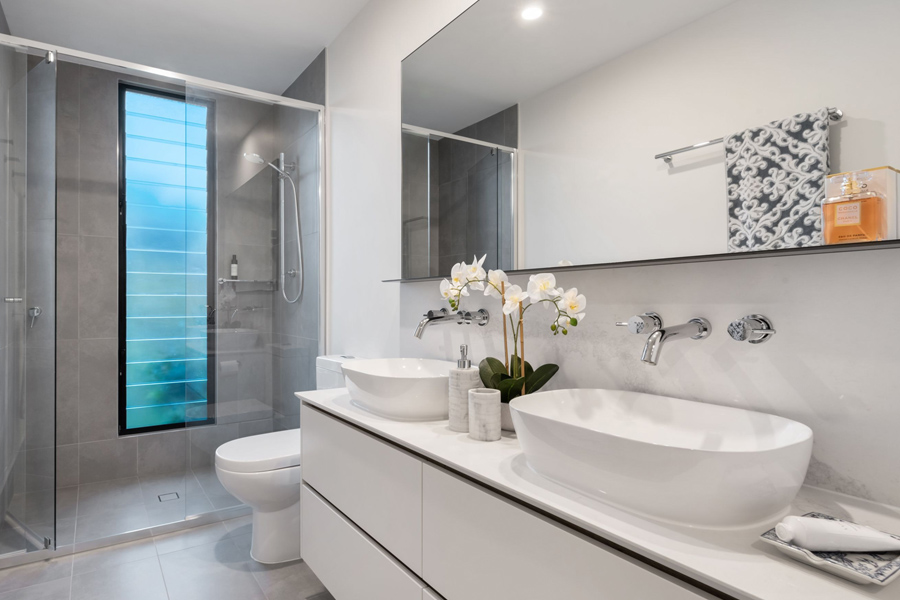
A bathroom is one of the most frequently used spaces in any home. While it needs to serve practical purposes, it can also contribute significantly to comfort, style and overall functionality. A well-planned bathroom makes everyday routines easier while creating a clean and relaxing environment.
Whether designing a new bathroom or improving an existing one, thoughtful planning is essential. The right combination of layout, storage, lighting, fixtures and materials can transform an ordinary space into an inviting part of the home.
Planning the Right Bathroom Layout
The layout is one of the most important decisions when designing a bathroom. Even a spacious room can feel inconvenient if fixtures are positioned poorly.
Before making changes, consider how people will move through the room. The location of the shower, toilet, vanity and bath should allow enough space for comfortable use without making the room feel crowded.
For smaller bathrooms, a practical layout can make a major difference. Wall-mounted fixtures, compact vanities and sliding shower doors can help preserve valuable floor space.
Choosing Suitable Fixtures
Bathroom fixtures should combine appearance with everyday practicality. Selecting products simply because they look attractive may create problems if they are difficult to clean or unsuitable for the available space.
Important fixtures may include:
- Vanity and basin
- Shower and shower screen
- Toilet
- Bath
- Taps and other fittings
- Mirrors and storage units
The style of these elements should work together to create a consistent appearance. Neutral designs can provide a timeless look, while carefully selected finishes can introduce character without overwhelming the room.
Making the Most of Storage
Good storage helps keep a bathroom organised and uncluttered. Toiletries, towels, cleaning products and personal items can quickly take over limited space when there is no suitable storage.
A vanity with drawers can provide convenient everyday storage, while wall-mounted cabinets can make use of vertical space. Open shelving can also be useful for towels or decorative items.
When planning storage, think about which items need to be accessed regularly and which can be stored away. Keeping frequently used products within easy reach can make daily routines more efficient.
Selecting Durable Materials
Bathrooms are exposed to moisture, humidity and frequent cleaning, so materials need to be chosen carefully. Surfaces should be durable, easy to maintain and suitable for wet environments.
Tiles remain a popular choice for walls and floors because they are available in many colours, patterns and textures. Natural-looking finishes can create a warm atmosphere, while larger tiles may provide a cleaner and more spacious appearance.
Flooring should also provide suitable grip, particularly in areas where water may accumulate. Choosing appropriate materials from the beginning can help reduce maintenance and improve long-term performance.
The Importance of Lighting
Lighting can dramatically influence the atmosphere and practicality of a bathroom. A single ceiling light may not provide enough illumination for tasks such as shaving, applying makeup or grooming.
A layered lighting approach can offer better results. General lighting can illuminate the entire room, while focused lighting around the vanity can provide clearer visibility.
Natural light is also valuable where possible. Windows and skylights can make a bathroom feel brighter and more open while providing ventilation.
Creating a Relaxing Atmosphere
Bathrooms are not only functional spaces. For many people, they are also places to unwind after a busy day.
Simple design choices can create a more relaxing environment. Soft neutral colours, natural textures, comfortable lighting and minimal clutter can make the room feel calm and inviting.
Plants that tolerate humidity can add a natural touch, while quality towels and carefully chosen accessories can improve comfort without requiring major renovations.
Improving Water and Energy Efficiency
A modern bathroom can be designed to use water and energy more efficiently. Water-saving showerheads, taps and toilets can help reduce unnecessary water consumption while maintaining everyday functionality.
Efficient lighting can also reduce energy use. LED lighting is a practical option because it can provide strong illumination while using relatively little energy.
Small improvements can make a meaningful difference over time, particularly in bathrooms that are used frequently by several members of a household.
Common Bathroom Design Mistakes
Some bathroom problems can be avoided through careful planning. Rushing decisions or focusing only on appearance can lead to practical difficulties later.
Common mistakes include:
- Choosing fixtures that are too large for the room
- Providing insufficient storage
- Ignoring ventilation
- Using unsuitable flooring in wet areas
- Installing inadequate lighting
- Failing to plan enough space around fixtures
Considering these details before work begins can help create a bathroom that is easier to use and maintain.
Conclusion
A successful bathroom combines practical design, comfort and personal style. From the layout and fixtures to lighting, storage and materials, every element should contribute to the way the room is used.
Careful planning can make a significant difference regardless of the size of the space. By choosing durable materials, efficient fixtures, appropriate lighting and practical storage, homeowners can create a bathroom that remains attractive and functional for years to come.
A well-designed bathroom is not simply a place for daily routines. It can become a comfortable, organised and relaxing part of the home.