
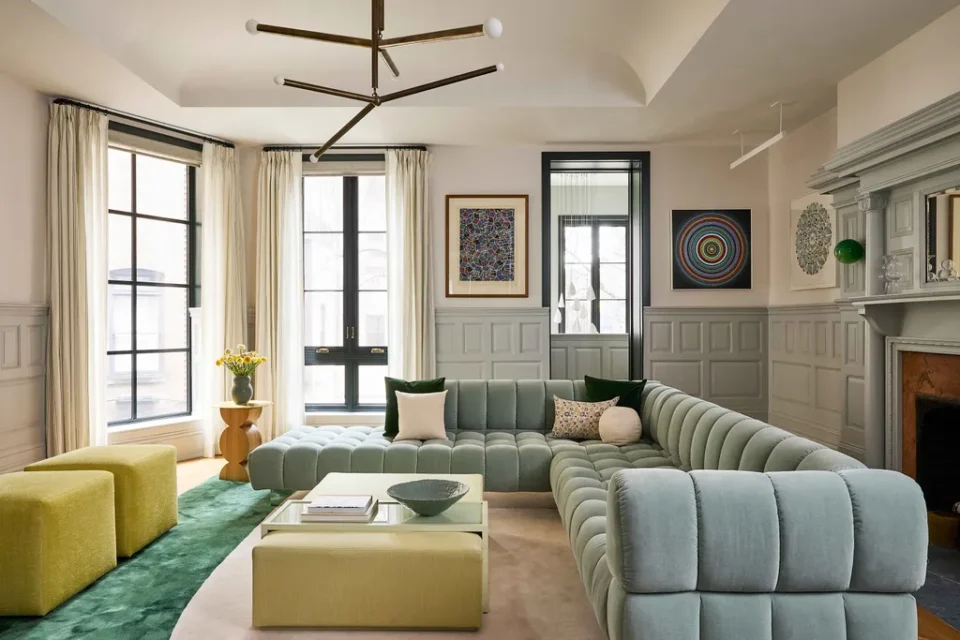
Interior design is about more than choosing attractive furniture or selecting colours for a room. It involves planning and arranging spaces so they are comfortable, practical and visually appealing. A well-designed interior should reflect the needs of the people who use it while creating an environment that feels welcoming and balanced.
Whether decorating a small apartment, renovating a family home or planning a commercial property, thoughtful design can make a significant difference. Every element, from the layout and lighting to furniture and materials, contributes to how a space looks and functions.
Understanding the Purpose of a Space
The first step in effective interior design is understanding how a room will be used. A living room, bedroom, kitchen and home office all have different requirements.
Before choosing finishes or furniture, consider:
- Who will use the space
- What activities will take place there
- How much storage is required
- How much natural light is available
- What level of maintenance is practical
Starting with these questions helps create a design that works in everyday life rather than simply looking good in photographs.
Creating a Practical Layout
A good layout can make a room feel more spacious and comfortable without changing its physical dimensions. Furniture should be positioned to allow people to move around easily while keeping important areas accessible.
In smaller rooms, careful planning becomes particularly important. Multifunctional furniture, built-in storage and appropriately sized pieces can help prevent the space from feeling crowded.
Larger rooms also require planning. Filling every available area with furniture can make an interior feel cluttered, while leaving too much empty space may make it feel unfinished. A balanced arrangement creates a stronger sense of proportion.
Choosing a Colour Scheme
Colour has a powerful effect on the mood and appearance of an interior. Soft neutral shades can create a calm and timeless atmosphere, while stronger colours can introduce energy and personality.
When selecting colours, consider how they will interact with natural and artificial light. A colour may appear different throughout the day depending on the amount and direction of light entering the room.
A simple approach is to choose a main colour and then introduce complementary tones through furniture, artwork, cushions and other accessories. This creates visual consistency without making the room feel repetitive.
The Importance of Lighting
Lighting is one of the most important elements of interior design. Even a well-planned room can feel uncomfortable if it has poor lighting.
A combination of lighting types can provide greater flexibility. General lighting can illuminate the whole room, while task lighting can support activities such as reading, cooking or working. Accent lighting can highlight artwork, architectural features or decorative objects.
Natural light should also be considered whenever possible. Curtains, blinds and furniture placement can be used to control brightness while maintaining a connection with the outdoors.
Selecting Furniture Carefully
Furniture should provide both comfort and functionality. Before making purchases, consider the size of the room and how each piece will fit within the overall layout.
Large furniture can dominate a small room, while pieces that are too small may look out of proportion in a spacious area.
Quality is another important consideration. Durable furniture can provide better long-term value, particularly in areas that receive frequent use. Choosing versatile pieces can also make it easier to update the interior as needs change.
Adding Texture and Materials
Texture gives an interior depth and character. Combining different materials can prevent a room from looking flat or overly uniform.
Timber, stone, glass, metal, fabric and natural fibres can all introduce different visual and tactile qualities. A smooth surface may contrast beautifully with a textured fabric, while natural materials can create warmth.
The key is balance. Too many competing textures can make a space feel visually busy, while too few may leave it looking plain.
Smart Storage Solutions
Good storage is essential for maintaining an organised interior. Clutter can quickly affect the appearance and usability of a room, regardless of how carefully it has been decorated.
Built-in cabinetry, shelving, storage benches and multifunctional furniture can help keep everyday items organised.
Storage should be planned according to actual household needs. Frequently used items should remain easy to access, while less frequently needed belongings can be stored in less prominent areas.
Personalising the Interior
A successful interior should feel personal rather than copied from a showroom. Artwork, photographs, books, plants and carefully selected accessories can help express individual taste.
Personal items can also make a space feel more comfortable and meaningful. However, decoration should be selective. Choosing a few pieces that have genuine value or visual appeal can create more impact than filling every surface.
Sustainable Interior Design
Sustainability is becoming increasingly important in interior design. Homeowners can make more responsible choices by selecting durable products, reducing unnecessary purchases and considering the lifespan of furniture and finishes.
Repurposing existing furniture can also reduce waste while adding character to a room. Natural materials, energy-efficient lighting and long-lasting products can contribute to a more responsible approach to design.
Conclusion
Interior design brings together creativity, functionality and personal expression. A successful interior is not simply attractive; it should support the way people live, work and relax.
By planning the layout carefully, choosing suitable colours and materials, improving lighting, adding practical storage and selecting furniture thoughtfully, it is possible to create spaces that remain comfortable and appealing over time.
Good interior design does not require following every trend. It is about making thoughtful decisions that create a balanced environment suited to the people who use it.