
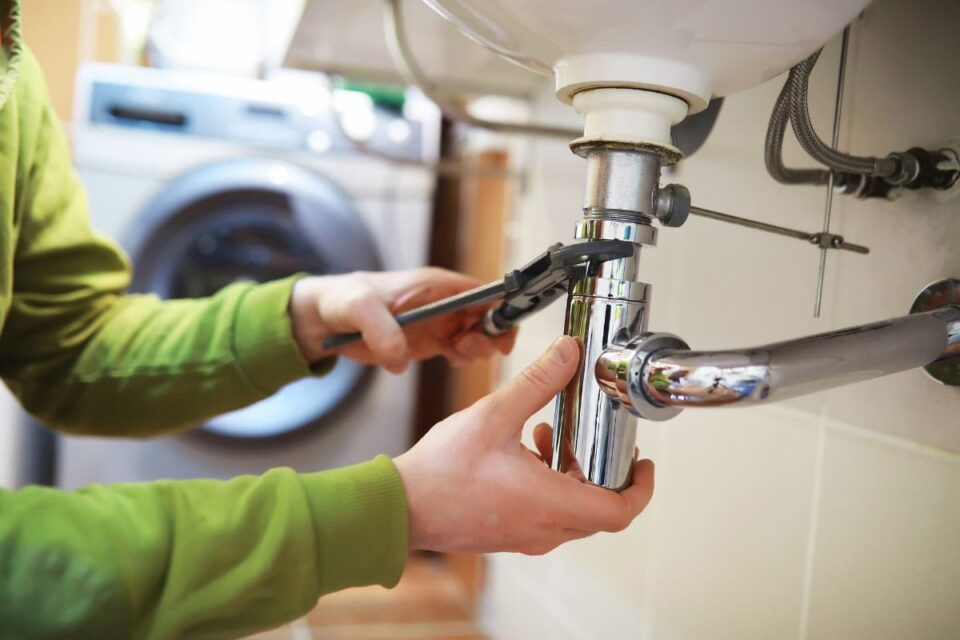
Plumbing plays a vital role in keeping a property comfortable, hygienic and functional. From delivering water to the kitchen sink to removing wastewater from the bathroom, a reliable plumbing system supports many essential daily activities. Because most pipes and connections are hidden, plumbing problems can sometimes develop without being noticed until they become serious.
Regular attention can help homeowners identify early warning signs, reduce unnecessary water use and protect their property from avoidable damage. Good maintenance does not always require complicated work. Simple checks and responsible habits can make a meaningful difference.
Why Plumbing Maintenance Is Important
A plumbing system is made up of many connected components, including pipes, taps, valves, drains, toilets and water-based appliances. A problem with one component can sometimes affect other parts of the system.
Routine maintenance can help:
- Identify leaks before they cause major damage
- Reduce water wastage
- Keep drains flowing properly
- Improve the performance of fixtures
- Extend the useful life of plumbing components
- Reduce the risk of unexpected emergencies
Ignoring small problems can allow them to become more complicated. A dripping tap, for example, may seem harmless, but persistent leaks can waste water and indicate that a fitting needs attention.
Check for Hidden Leaks
Leaks are among the most common plumbing concerns. Some are obvious, while others occur behind walls, beneath floors or inside cabinets.
Homeowners should occasionally inspect areas around sinks, toilets, showers and exposed pipes. Damp patches, unusual smells, mould growth or unexplained increases in water use may indicate a hidden problem.
If a leak is suspected but cannot be located, professional assessment may be necessary. Finding the source early can help prevent structural damage and expensive repairs.
Keep Drains Clear
Blocked drains can cause unpleasant smells, slow drainage and eventually overflowing water. Many blockages develop because unsuitable materials are regularly washed down sinks or toilets.
Kitchen sinks should be protected from food scraps, oils and grease. In bathrooms, hair and soap residue can accumulate inside drains and restrict water flow.
Simple drain maintenance and suitable strainers can help reduce the amount of material entering the plumbing system.
Look After Your Taps
Taps are used frequently, so wear can develop over time. Dripping or difficult-to-operate taps may indicate worn internal components.
Addressing small tap problems early can improve water efficiency and prevent minor leaks from becoming larger ones. Keeping fixtures clean can also help maintain their appearance and functionality.
When replacing a tap, it is important to select a fitting that suits the existing connections and the intended use of the space.
Maintain Your Toilet
Toilets are essential plumbing fixtures and should be checked regularly for signs of poor performance. A toilet that continues running after flushing may waste a significant amount of water over time.
Other warning signs include weak flushing, frequent blockages or water appearing around the base.
Using toilets correctly is equally important. Items that do not belong in the toilet can cause blockages and place unnecessary strain on the drainage system.
Pay Attention to Water Pressure
Water pressure affects how showers, taps and other fixtures operate. A sudden change in pressure can sometimes indicate a plumbing problem.
Low pressure may be caused by restricted pipes, fixture issues or other supply-related concerns. High pressure can also place additional stress on plumbing components.
If water pressure changes significantly without an obvious reason, investigating the cause can help prevent further problems.
Protect Your Property From Water Damage
Water can cause serious damage when it reaches areas that are not designed to handle moisture. Leaking pipes beneath floors or inside walls can affect building materials and contribute to damp conditions.
Keeping cupboards beneath sinks clear enough for regular inspection can make it easier to notice leaks. Washing machines, dishwashers and other water-connected appliances should also have their hoses and connections checked periodically.
Being aware of where water enters and leaves the property makes it easier to respond quickly when something goes wrong.
Prepare for Emergencies
A plumbing emergency can happen at any time. Knowing how to respond can reduce potential damage.
Every homeowner should know where the main water shut-off valve is located. In the event of a major leak, shutting off the water supply may help limit the amount of water released while professional assistance is arranged.
It is also useful to keep access to important plumbing areas clear. Valves and inspection points should not be blocked by stored items or permanent fixtures.
Choose Professional Help When Necessary
Simple maintenance can be useful, but not every plumbing issue should be handled without professional knowledge. Major leaks, damaged pipes, sewer problems and complex installations may require specialist skills and equipment.
Professional plumbing assistance can also be valuable during renovations, particularly when water lines or drainage systems need to be relocated.
Attempting complicated repairs without understanding the system may create additional problems, increase costs or create safety risks.
Building Better Plumbing Habits
Good plumbing maintenance is largely about consistency. Small checks performed regularly can help identify problems before they become emergencies.
Avoid putting unsuitable materials down drains, repair leaks promptly and monitor changes in water pressure or usage. These simple habits can help protect both the plumbing system and the property itself.
Conclusion
Plumbing maintenance is an important part of responsible property care. Regular inspections, sensible water use and prompt attention to warning signs can help keep pipes, fixtures and drainage systems operating effectively.
While homeowners can handle many basic maintenance tasks, serious or complicated problems should be assessed by a qualified professional. A proactive approach to plumbing can reduce unexpected repairs, protect against water damage and provide greater confidence in the reliability of the entire system.