
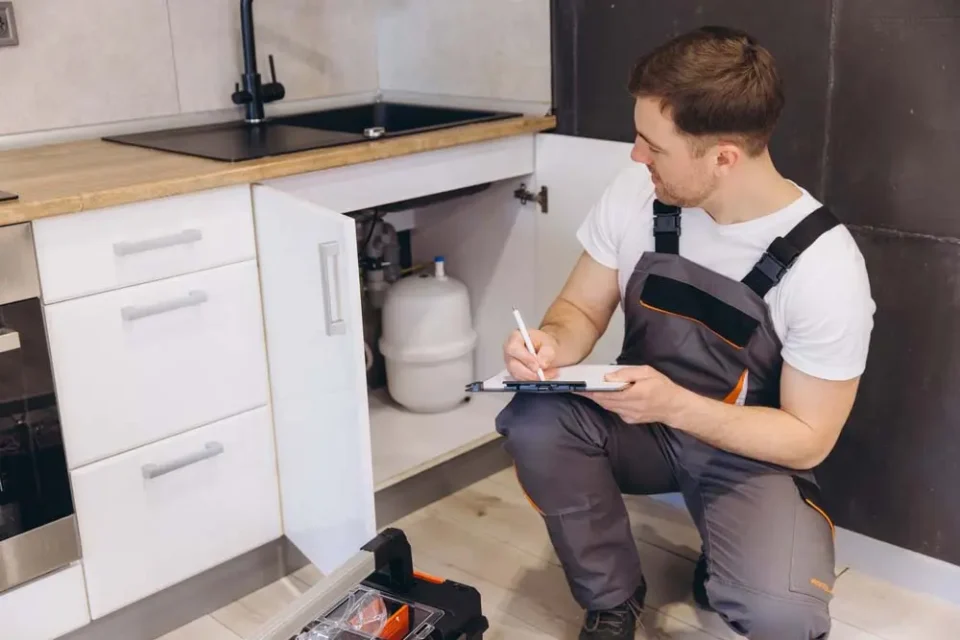
Plumbing is one of the most important systems in any home or commercial property. It provides clean water for drinking, cooking, cleaning and bathing while carrying wastewater safely away from the building. Although most plumbing systems operate quietly behind walls and beneath floors, their importance becomes obvious when something goes wrong.
Good plumbing involves more than fixing leaking taps or blocked drains. Proper installation, regular maintenance and timely repairs can help prevent water damage, improve efficiency and keep essential household systems working reliably.
Understanding the Importance of Plumbing
A well-designed plumbing system connects several essential areas of a property. Water supply pipes deliver fresh water to taps, showers, toilets and appliances, while drainage pipes remove wastewater.
A plumbing system generally needs to provide:
- Reliable water supply
- Safe removal of wastewater
- Effective drainage
- Appropriate water pressure
- Protection against leaks and water damage
- Efficient operation of fixtures and appliances
When these systems are properly installed and maintained, most plumbing problems can be avoided or identified before they become serious.
Common Plumbing Problems
Plumbing issues can develop gradually or appear without warning. Some problems are minor, while others can cause significant damage if they are ignored.
Common issues include leaking taps, dripping pipes, blocked drains, running toilets and low water pressure. A slow drain may initially seem unimportant, but it can indicate a developing blockage that eventually prevents water from flowing normally.
Unusual sounds can also provide useful warning signs. Gurgling drains, banging pipes or persistent dripping may indicate that a component needs attention.
Why Regular Maintenance Matters
Regular plumbing maintenance can help identify potential problems before they become expensive repairs. Small leaks, worn fittings and partially blocked drains are generally easier to address when discovered early.
Homeowners can perform simple checks around the property, such as looking under sinks, checking exposed pipes and monitoring water usage for unusual changes.
It is also useful to know where the main water shut-off point is located. In an emergency, being able to turn off the water quickly can help limit damage caused by a burst pipe or major leak.
Improving Water Efficiency
Efficient plumbing can reduce unnecessary water consumption and may help lower household utility costs. Small changes can make a noticeable difference over time.
Water-efficient taps, shower fittings and toilets can reduce water use without compromising everyday convenience. Repairing dripping taps is also important because even a small leak can waste water continuously.
Good habits matter as well. Turning taps off when water is not needed and fixing leaks promptly can contribute to more responsible water use.
Plumbing in Kitchens and Bathrooms
Kitchens and bathrooms are among the most plumbing-intensive areas of a property. They contain multiple water outlets, drainage points and appliances.
In kitchens, sinks, dishwashers and water connections require reliable supply and drainage. Food scraps, grease and other materials should be kept out of drains to reduce the risk of blockages.
Bathrooms require careful attention to showers, baths, toilets and basins. Proper drainage and ventilation can help manage moisture and reduce the likelihood of persistent dampness.
Protecting Pipes and Fixtures
The condition of pipes and fixtures can have a major effect on plumbing performance. Older components may eventually develop corrosion, leaks or reduced flow.
Regular inspection of visible pipes can help identify problems such as moisture, staining or deterioration. Fixtures that are difficult to operate may also require attention.
When replacing components, choosing products suitable for the existing plumbing system can help ensure compatibility and reliable performance.
When to Call a Professional
Some plumbing tasks can be handled with simple maintenance, but more serious problems require professional attention. Attempting complex repairs without appropriate knowledge can make the situation worse.
Professional assistance may be appropriate when dealing with:
- Major water leaks
- Burst pipes
- Persistent drainage problems
- Sewer-related issues
- Significant changes in water pressure
- Plumbing installations or major renovations
A qualified professional can assess the underlying problem and recommend an appropriate solution rather than simply treating the visible symptom.
Plumbing During Renovations
Renovations provide an opportunity to improve plumbing systems as well as the appearance of a property. Changing a kitchen, bathroom or laundry may involve relocating pipes, installing new fixtures or upgrading drainage.
Plumbing should be considered early in the renovation process. Coordinating plumbing with electrical work, cabinetry, flooring and structural changes can reduce delays and prevent unnecessary alterations later.
Planning also allows homeowners to consider water efficiency and long-term maintenance before new fixtures are installed.
Preparing for Plumbing Emergencies
Plumbing emergencies can cause substantial damage in a short period. Knowing what to do can help minimise the impact.
If a major leak occurs, the first priority is generally to stop the water supply if it is safe to do so. Electrical equipment near water should not be touched, and professional help should be sought for serious problems.
Keeping basic information about the property’s plumbing system readily available can make emergency situations easier to manage.
Conclusion
Reliable plumbing is essential for a safe, comfortable and functional property. From supplying clean water to removing wastewater, the system supports many everyday activities that are easy to take for granted.
Regular maintenance, efficient fixtures and prompt attention to warning signs can help prevent costly problems. When complex repairs or installations are required, professional expertise can provide safer and more dependable results.
Taking plumbing seriously can protect a property, conserve water and ensure that essential systems continue working efficiently for years to come.